electroplating-services
Electroplating Surface Treatment
Overview of NPXingye Electroplating Services
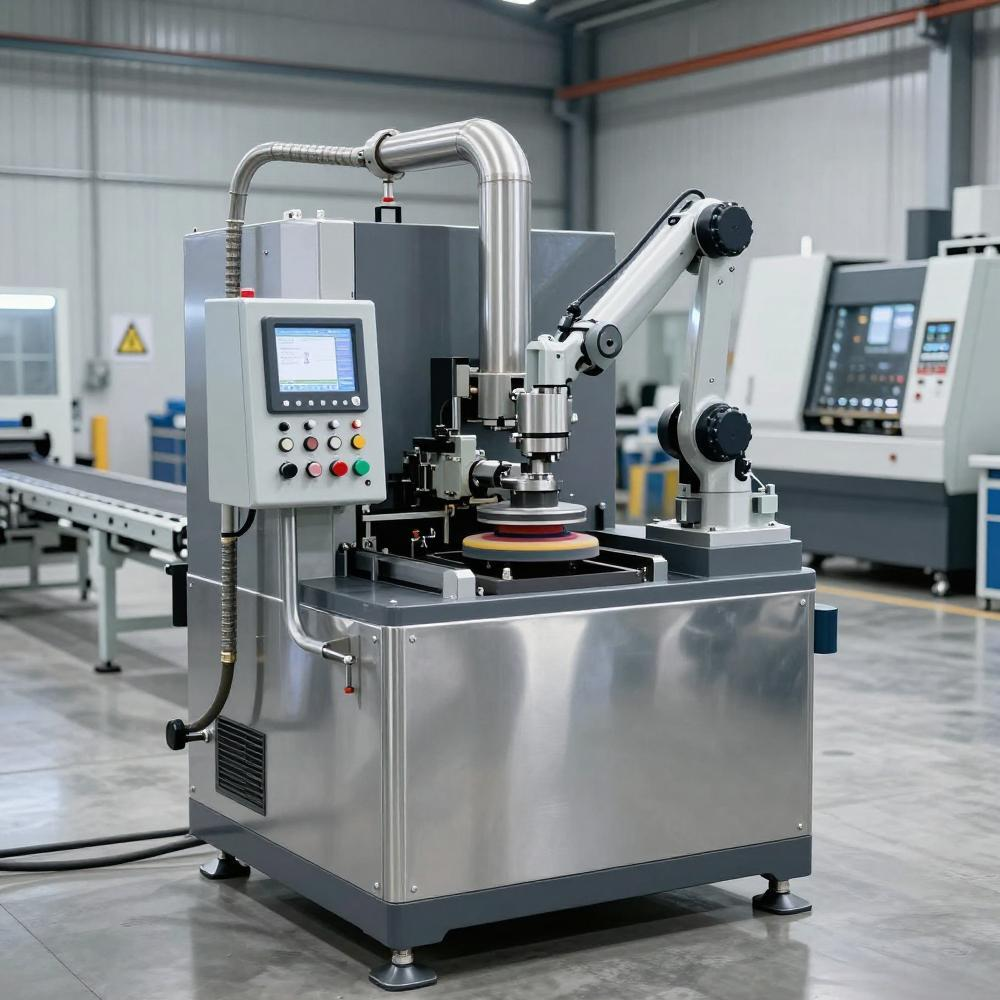
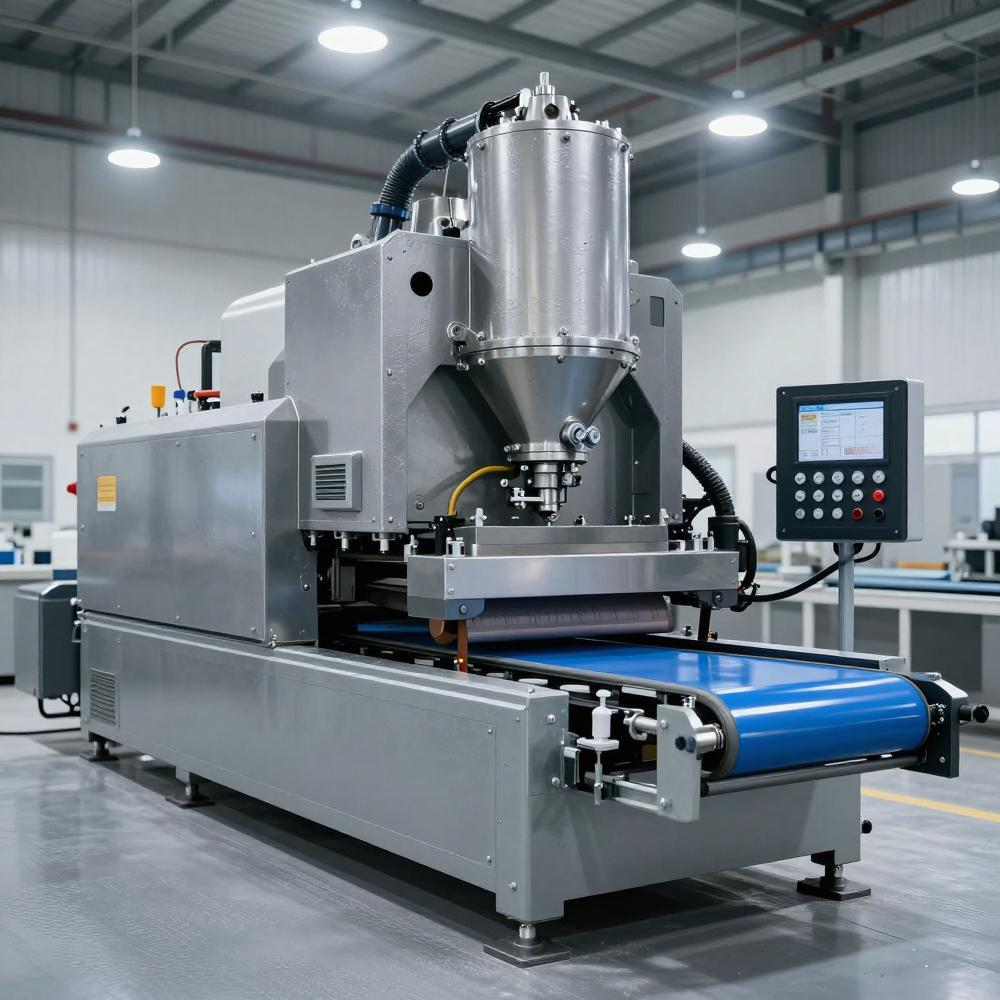
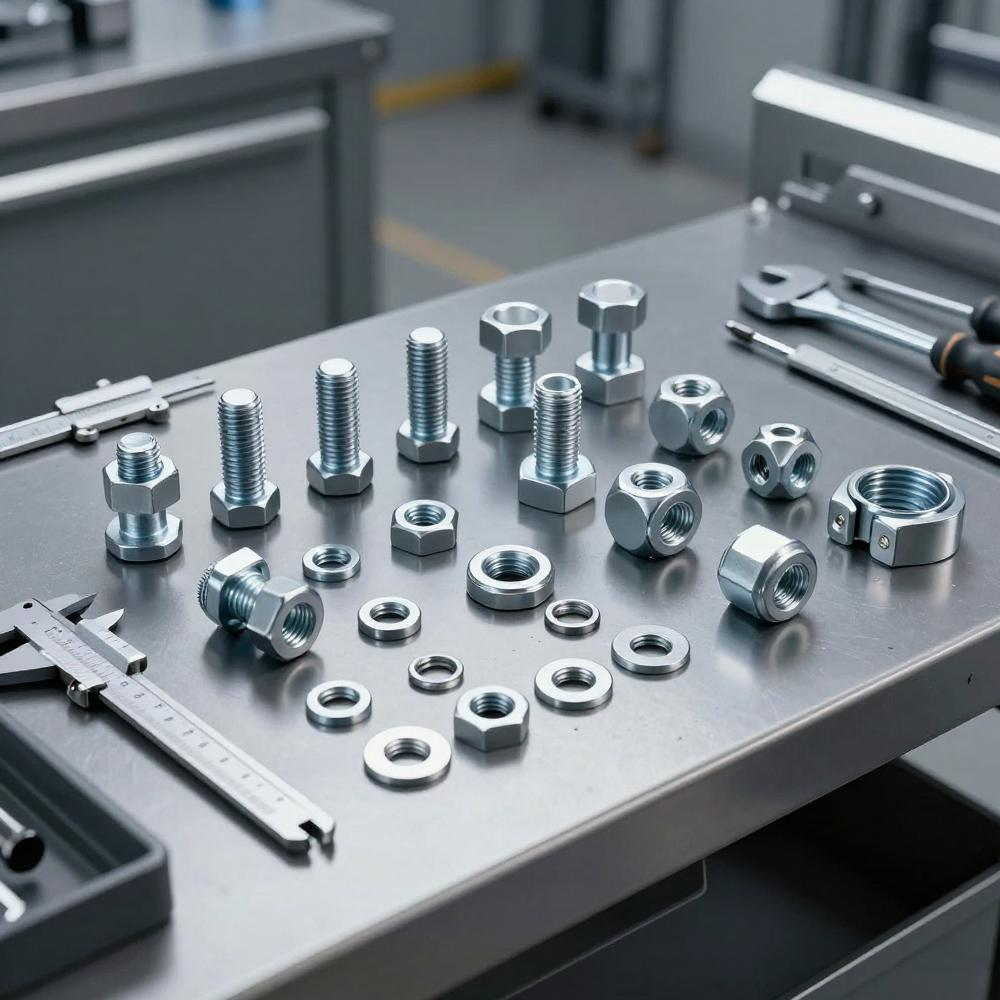
In custom metal parts manufacturing, electroplating is one of the most mature and widely used surface treatment processes. NPXingye leverages decades of experience in precision metal parts production to integrate electroplating seamlessly with stamping, sheet metal fabrication, CNC machining, and forging processes. This enables us to deliver electroplating solutions that enhance corrosion resistance, functional performance, and aesthetic quality for our clients.
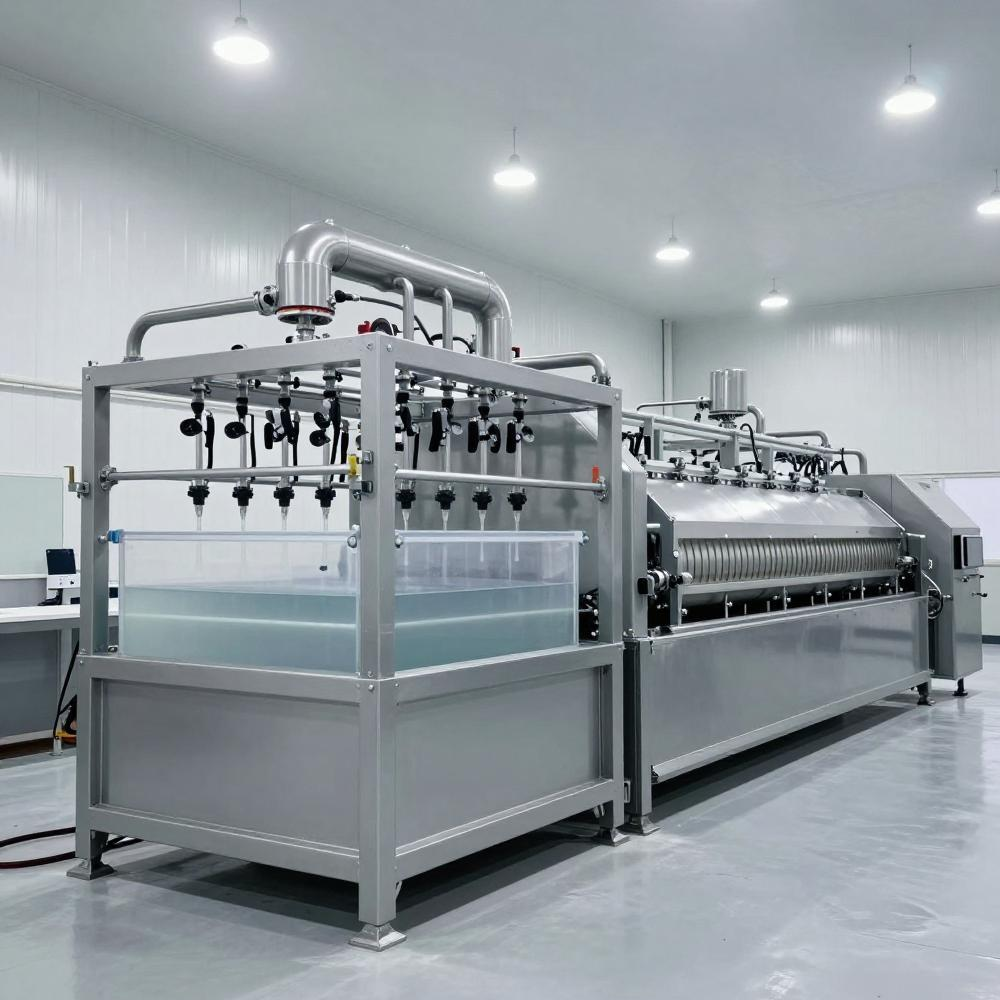
Electroplating works via an electrochemical reaction to deposit a uniform metal layer onto the surface of a metal substrate. This coating significantly improves corrosion resistance, wear resistance, conductivity, and assembly stability without compromising the original dimensional precision of the parts. The process is particularly suited for medium to large-volume custom parts, providing consistency while maintaining cost efficiency.
NPXingye’s electroplating services serve a wide range of industries, including:
Automotive manufacturing
Industrial equipment & automation
Electronics & electrical components
Communications
General machinery
All processes are strictly controlled under ISO 9001 and IATF 16949 quality management systems, ensuring consistent, traceable, and high-quality plating.
Advantages of NPXingye Electroplating Services
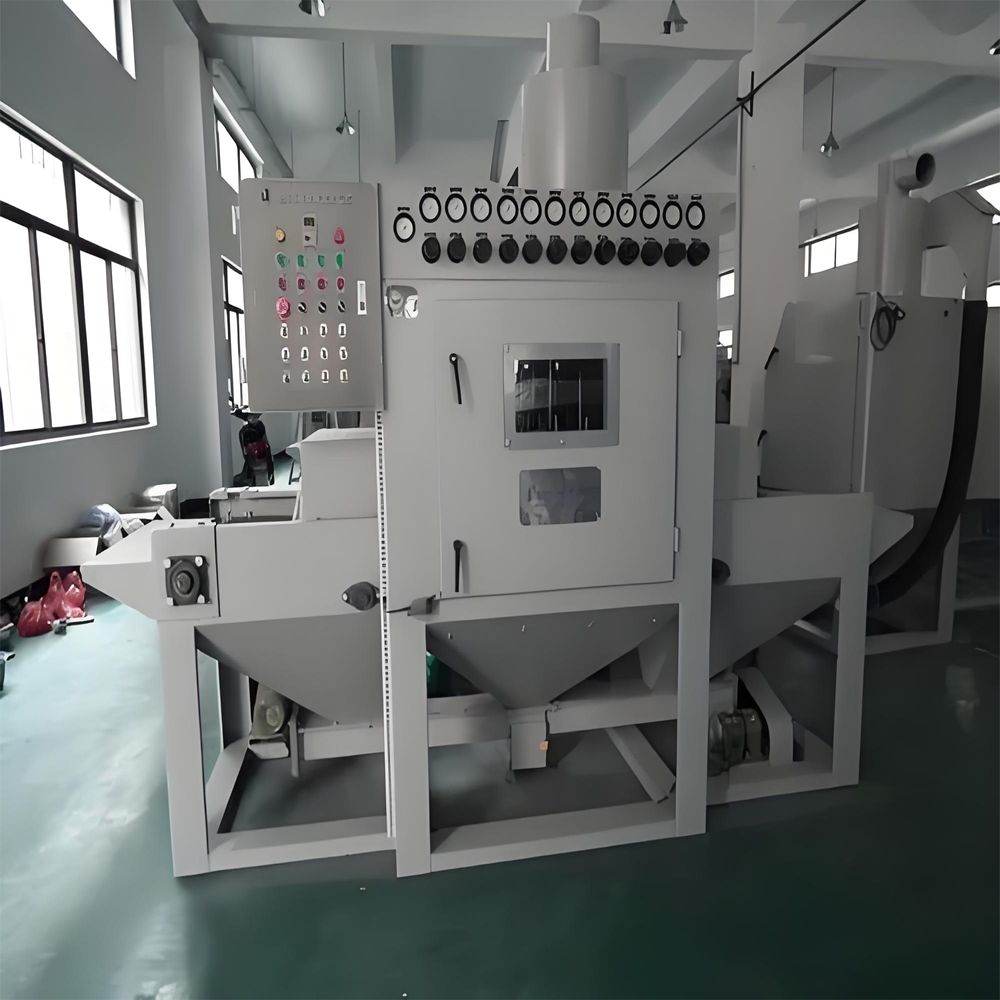
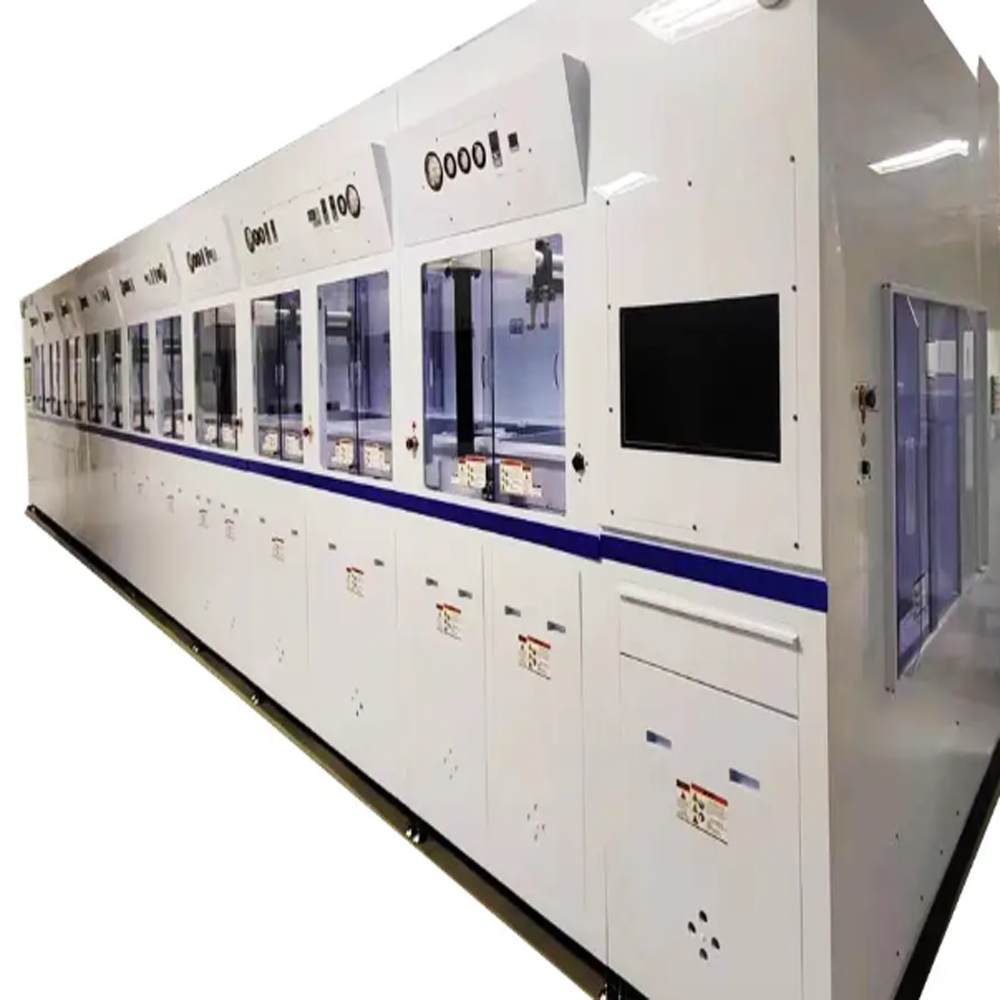
Advanced Equipment: State-of-the-art electroplating production lines, operated in compliance with international quality standards.
Material Versatility: Capable of plating a wide range of metals, ensuring long-lasting, stable coatings.
High-Volume Production: Strong production capacity guarantees fast delivery while maintaining consistent quality across batches.
Precision Process Control: Every stage of electroplating is rigorously monitored to ensure that all batches meet strict quality standards.
Typical Applications and Products of Electroplating
Automotive & Transportation
Stamped structural components
Fasteners, brackets, and connectors
Chassis and functional components (with high corrosion resistance requirements)
Industrial Equipment & Automation
Mechanical connectors
Metal parts for electrical control boxes
Functional support and assembly components
Electronics & Electrical Industry
Conductive terminals
Contact parts
Precision metal components
General Hardware & Custom Parts
Batch-customized stamped components
Structural reinforcement parts
Parts combining decorative and functional requirements
Materials:
Common Materials Suitable for Electroplating
Electroplating is not limited to a single material; XY can match different base materials according to part requirements:
Carbon steel / Alloy steel (most common, high rust resistance required)
Stainless steel (requires pre-treatment before plating)
Copper and copper alloys (for conductive or electronic parts)
Aluminum alloys (requires special pre-treatment or base layer)
Zinc-based materials
In practice, the suitability of electroplating is evaluated based on material properties, operating environment, and subsequent assembly requirements.
Electroplating Process & Steps
Electroplating is an electrochemical process involving multiple steps to ensure coating quality and uniformity. Nanpi Xingye strictly controls every step to achieve optimal results.
Pre-Treatment
Degreasing / Cleaning: Removes oil,grease, and surface contaminants to ensure strong adhesion of the plating layer.
Pickling: Removes surface oxides from the metal.
Activation Treatment: Uses chemical agents to enhance coating adhesion.
Electroplating Deposition
Plating Bath Setup: Adjusts chemical composition and pH of the electrolyte according to plating requirements.
Current Control: Controls current intensity and plating time to ensure uniform coating thickness.
Post-Treatment
Passivation & Sealing: Improves corrosion resistance of the plated metal.
Rinsing: Cleans plated parts with deionized water to remove residual chemicals.
Quality Inspection
Coating Thickness Measurement:Ensures the plating layer meets the specified thickness.
Adhesion Testing: Confirms that the plating layer adheres securely and does not peel.
Electroplating Types & Applications:
Zinc Plating
Applications: Widely used in automotive parts, home appliance hardware, mechanical components.
Features: Corrosion resistance, low cost, suitable for high-volume production.
Nickel Plating
Applications: Decorative parts,wear-resistant components.
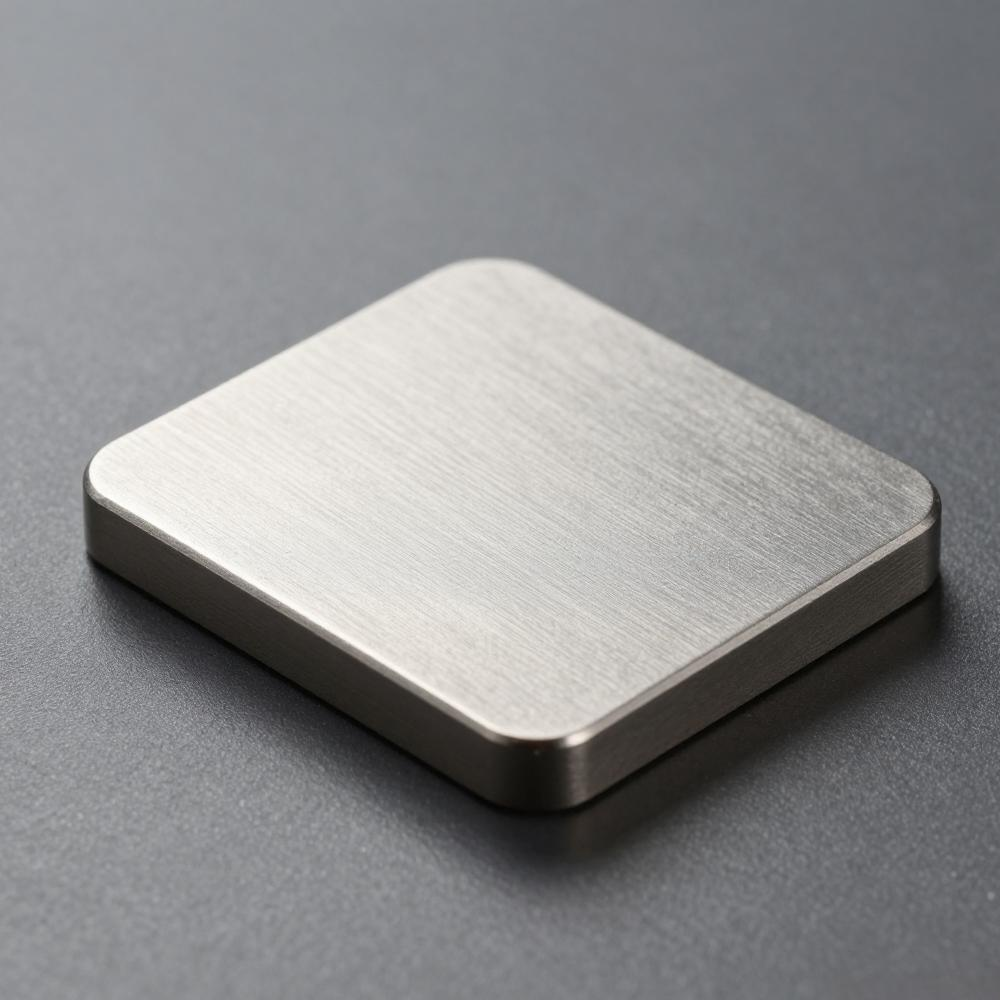
Features: Enhanced wear resistance,good gloss, ideal for high-end decorative products.
Chrome Plating
Applications: Premium automotive parts, motorcycle components, industrial tools.
Features: High hardness, bright surface, improved wear resistance and aesthetics.
Copper Plating
Applications: Electronics industry,contacts, electronic components.
Features: Excellent conductivity,suitable for electrical connections.
Electroless Nickel Plating
Applications: Complex-shaped parts,precision electronic components.
Features: Uniform coating thickness, suitable for high wear-resistance requirements.
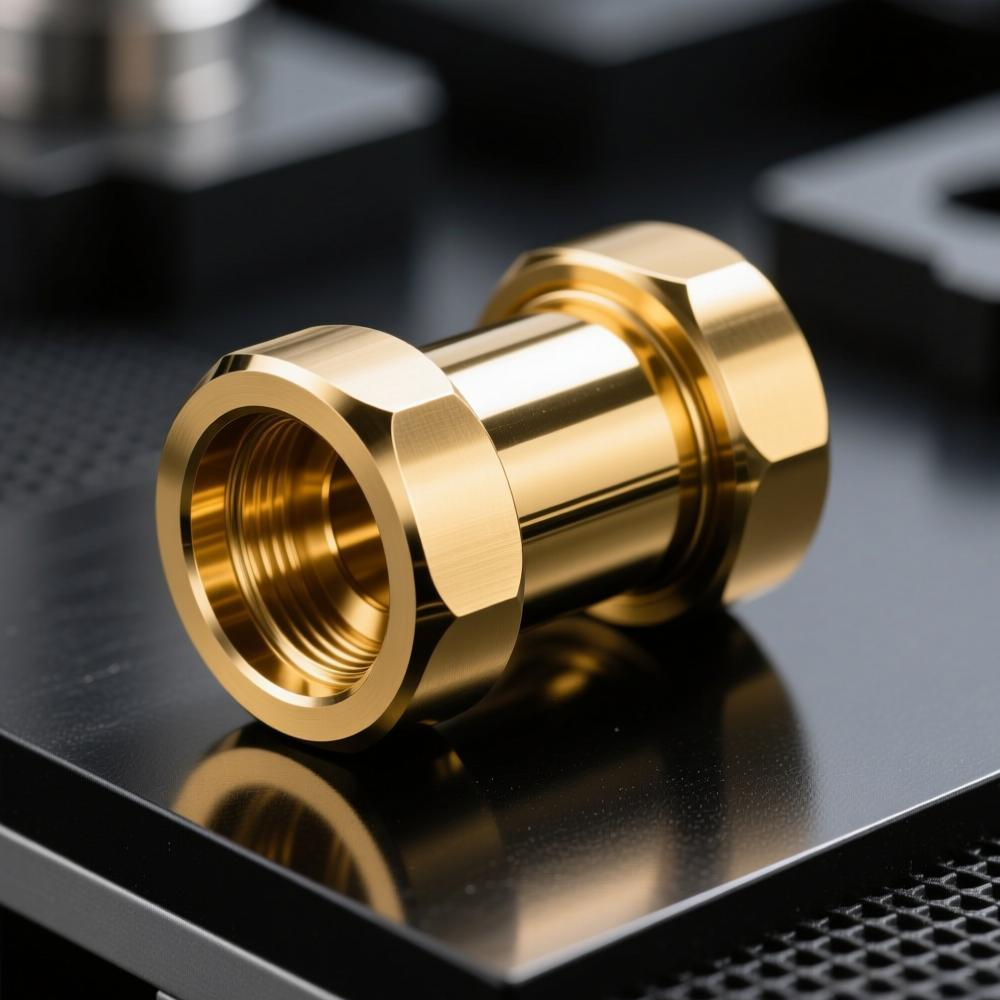
Gold Plating
Applications: High-end electronic components, precision contacts.
Features: Excellent conductivity and corrosion resistance, suitable for premium products.
Core Advantages of Nanpi Xingye Electroplating:
Enhanced Corrosion Resistance:Effectively prevents oxidation and rust in humid, saline, and harsh environments.
Uniform Coating & Minimal Dimensional Impact: Ideal for precision stamped parts and assembly components.
Suitable for Mass Production & Cost-Effective: Perfect for medium-to-large batch customized hardware production.
Functionality & Aesthetics Combined: Achieves bright, matte, or functional surface effects.
XY ensures consistent coating thickness, strong adhesion, and stable appearance throughout the production process.