Automotive

Automotive Manufacturing
Custom Metal Component Solutions for the Automotive Industry
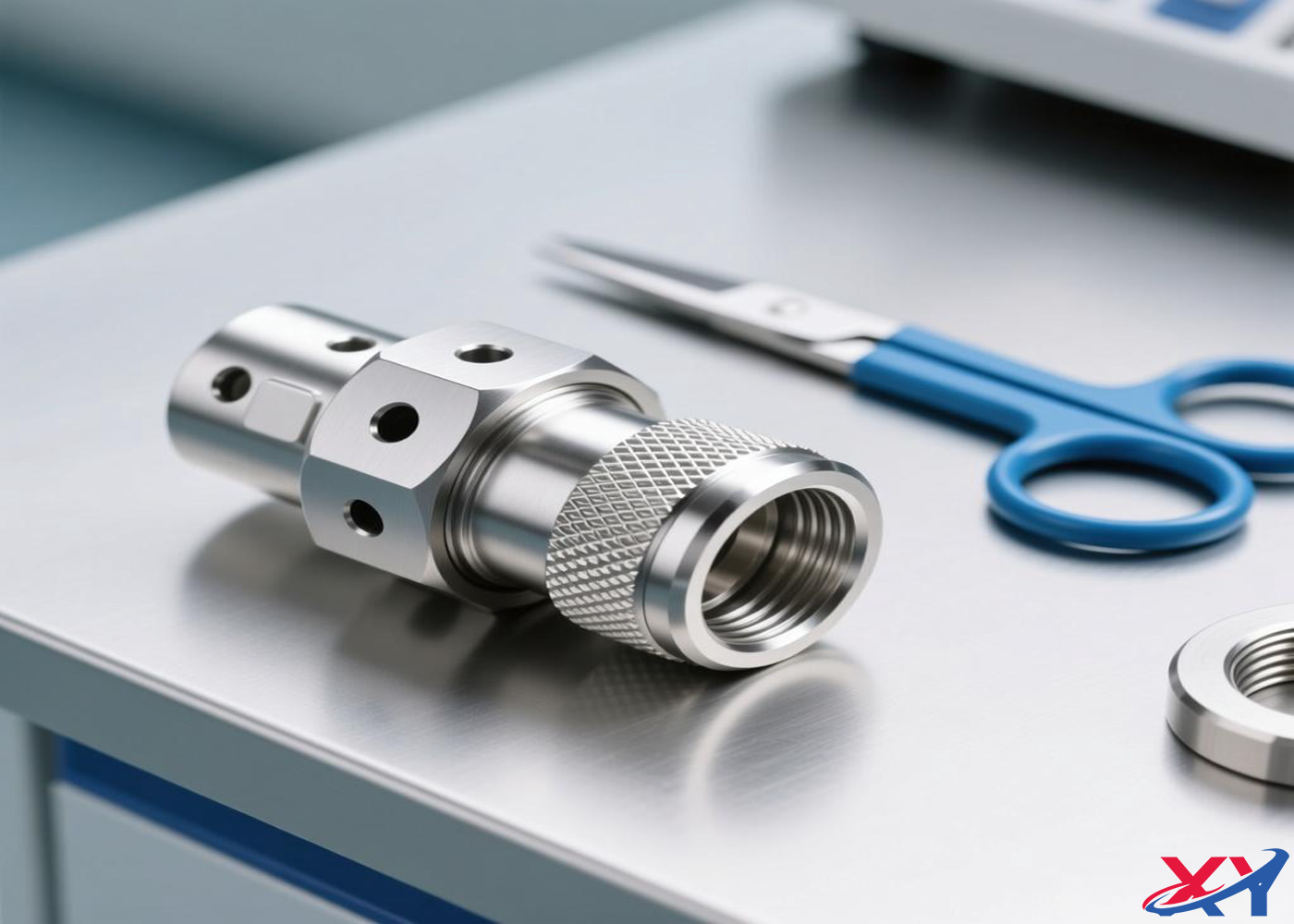
The automotive industry requires components that meet strict standards for safety, durability, and performance. XY provides comprehensive custom metal component manufacturing solutions for both traditional vehicles and new energy vehicles (EVs).
Our capabilities cover the entire production process, including design support, material selection, prototype development, mass production, surface finishing, and final inspection. This one-stop manufacturing approach enables us to meet the demanding requirements of modern automotive systems and supply chains.
In the automotive industry, strict quality management systems such as ISO/TS 16949 and IATF 16949 are essential for entering global supply chains. XY strictly follows international quality standards and ensures reliable production through comprehensive inspection methods, including Coordinate Measuring Machine (CMM) measurement, statistical quality analysis, and process monitoring, guaranteeing that every custom metal component meets the required standards for safety, performance, and reliability.
Our Advantages & Commitment
One-Stop Custom Manufacturing
We provide complete services covering design review, material selection, prototype machining, mass production, surface finishing, and quality inspection, simplifying the procurement process for our customers.
Multi-Material Manufacturing Capability
Our manufacturing processes support a wide range of engineering materials, including:
Aluminum alloys
High-strength steels
Stainless steel
Titanium alloys
These materials are widely used in automotive structural and functional components.
Advanced Equipment & Engineering Expertise
XY is equipped with advanced manufacturing technologies including:
Precision CNC machining centers
Laser cutting systems
Metal stamping and forming equipment
Combined with experienced engineers and technicians, we ensure high-precision manufacturing and consistent product quality.
Strict Quality Management System
We operate under internationally recognized quality standards such as ISO and IATF, ensuring product reliability, process stability, and full traceability throughout the manufacturing process.
Global Supply & Customer Support
Our custom automotive metal components are supplied to vehicle manufacturers, Tier-1 suppliers, and global automotive supply chains across multiple regions worldwide.
Contact Us
Whether you are an automotive manufacturer, Tier-1 supplier, or a company seeking customized automotive metal components, XY is ready to provide high-performance, reliable manufacturing solutions.
Contact our engineering team today to discuss your project and receive technical consultation and a customized quotation.
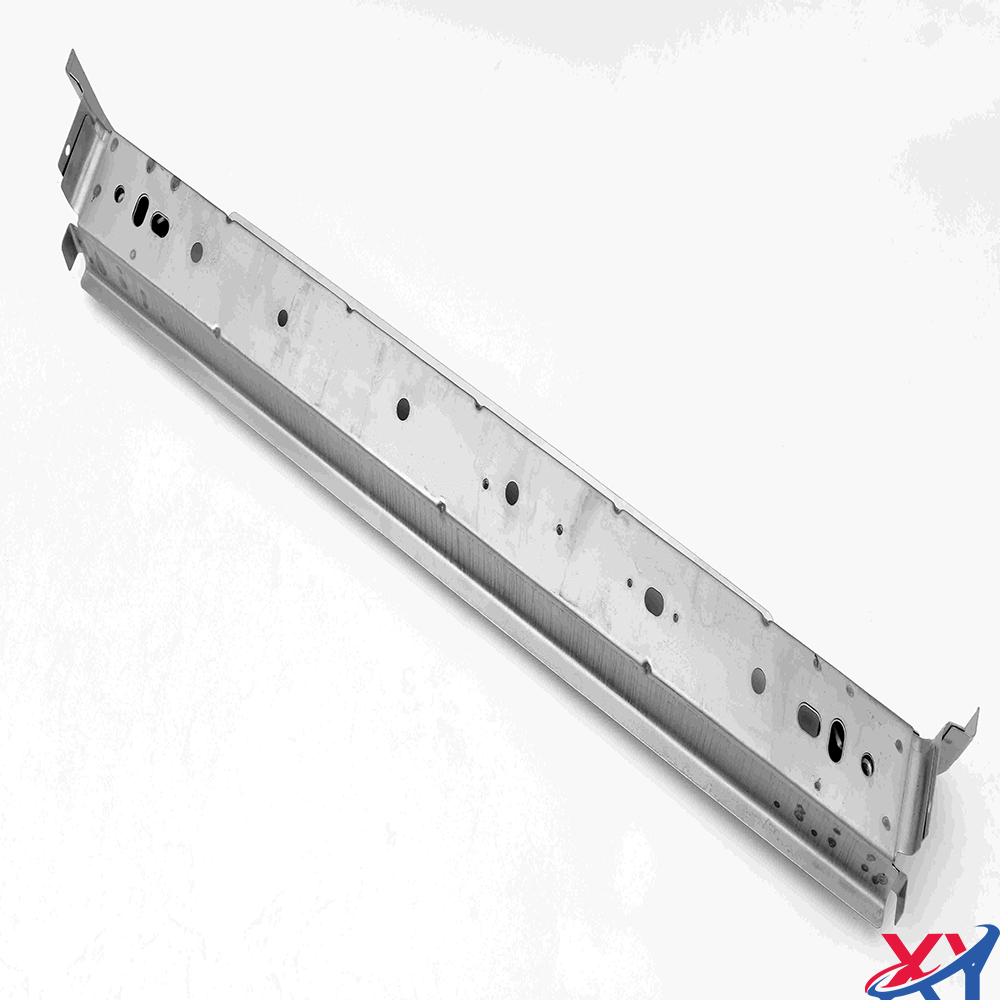
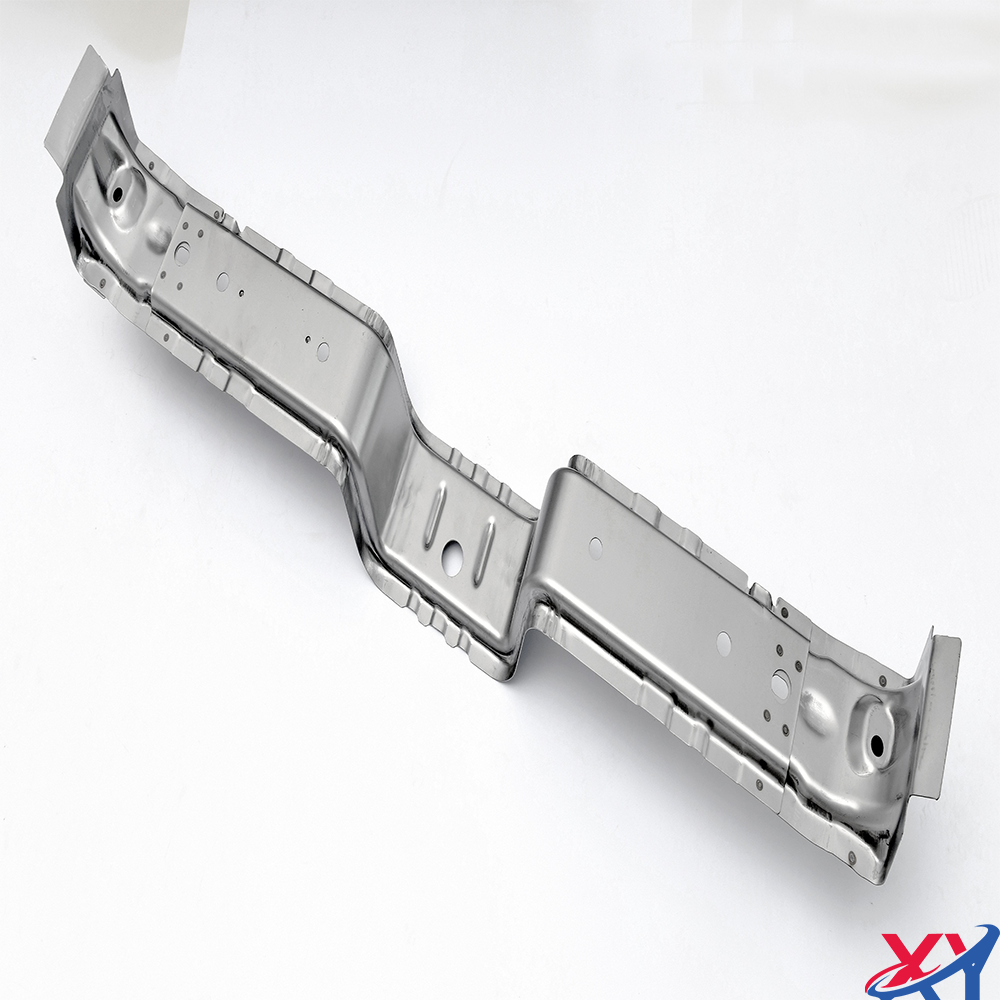
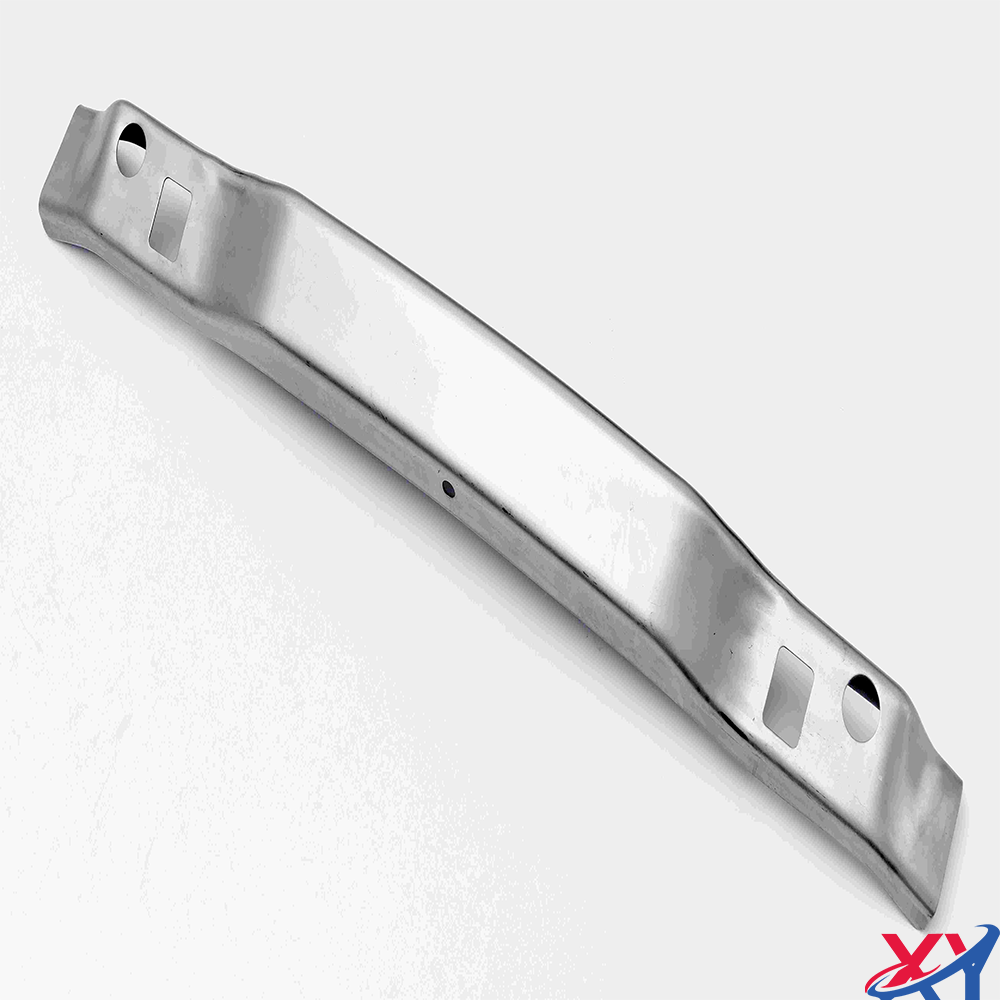
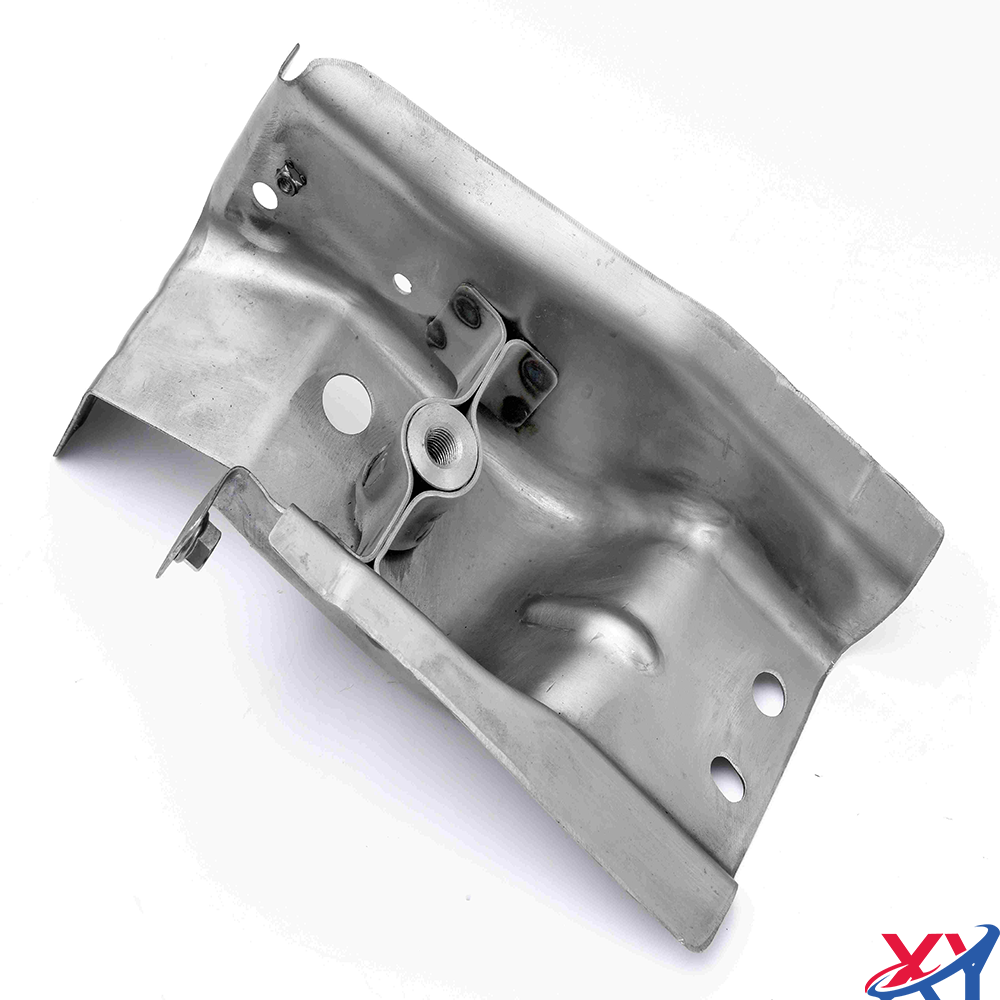
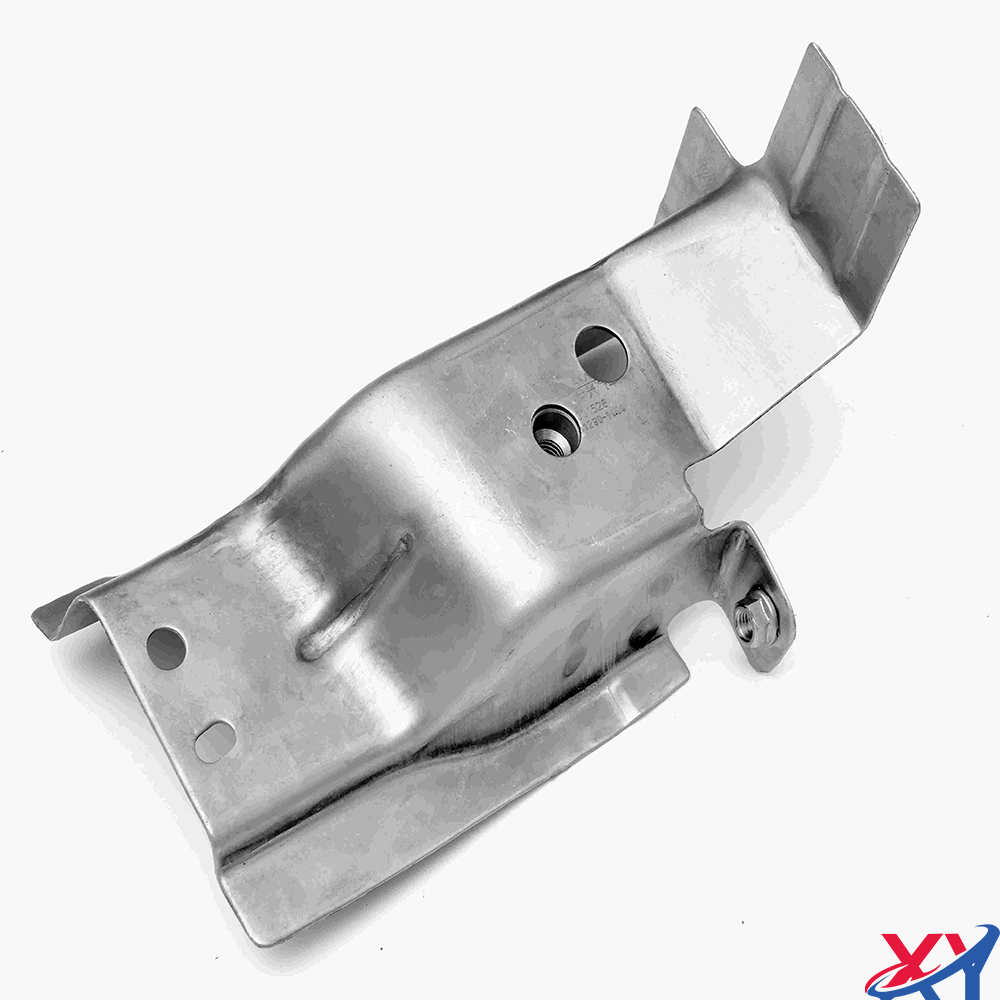
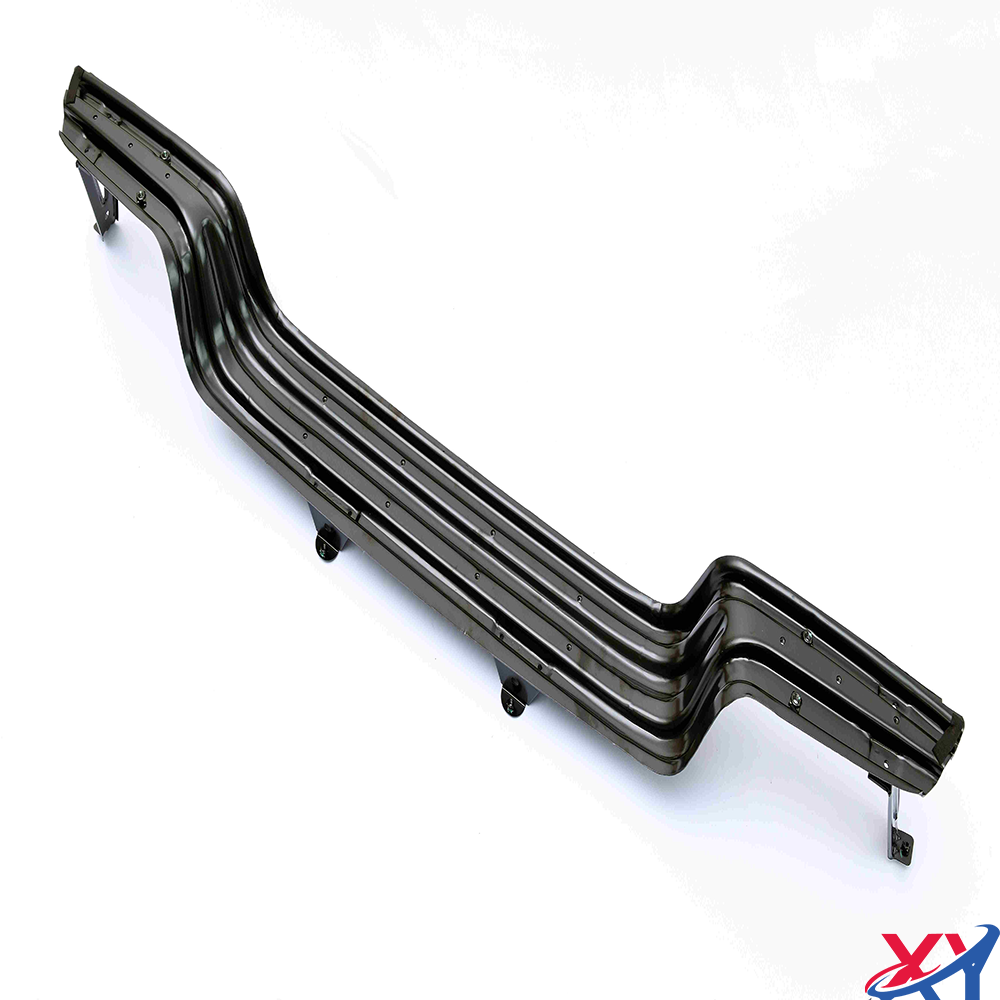
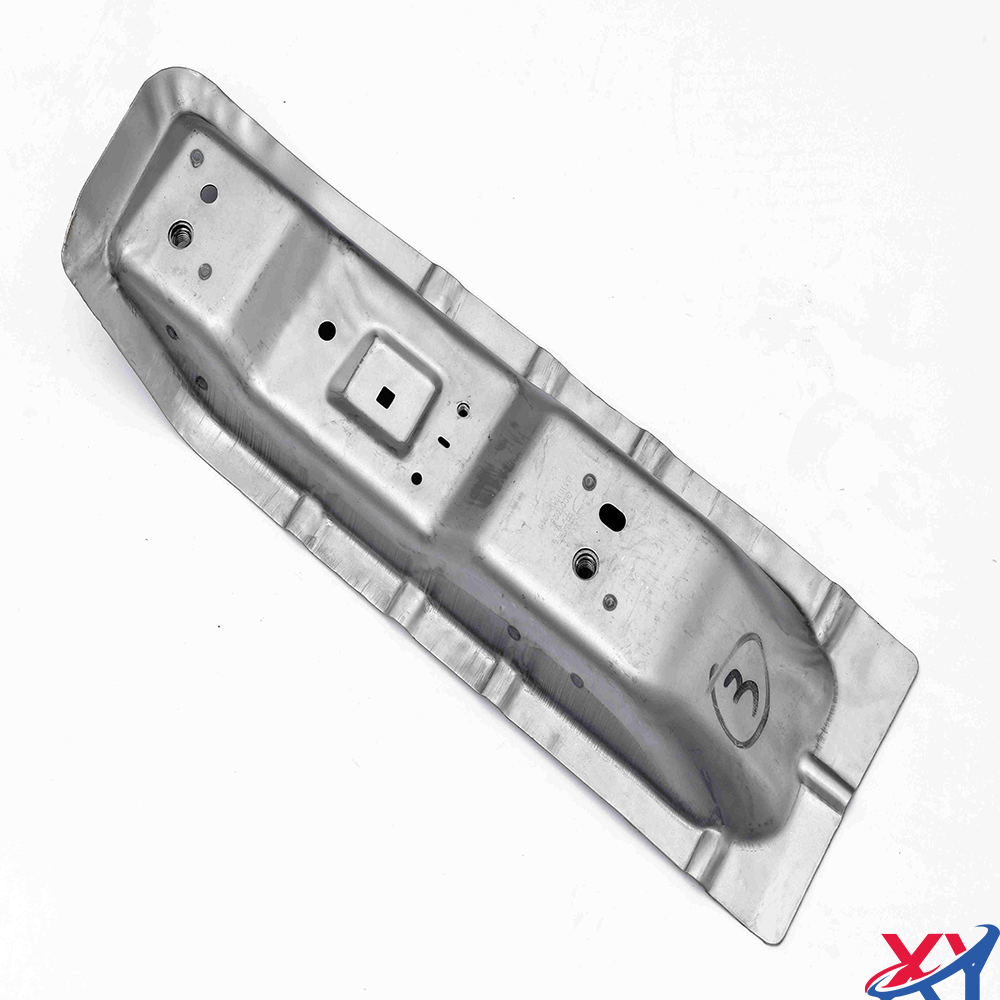
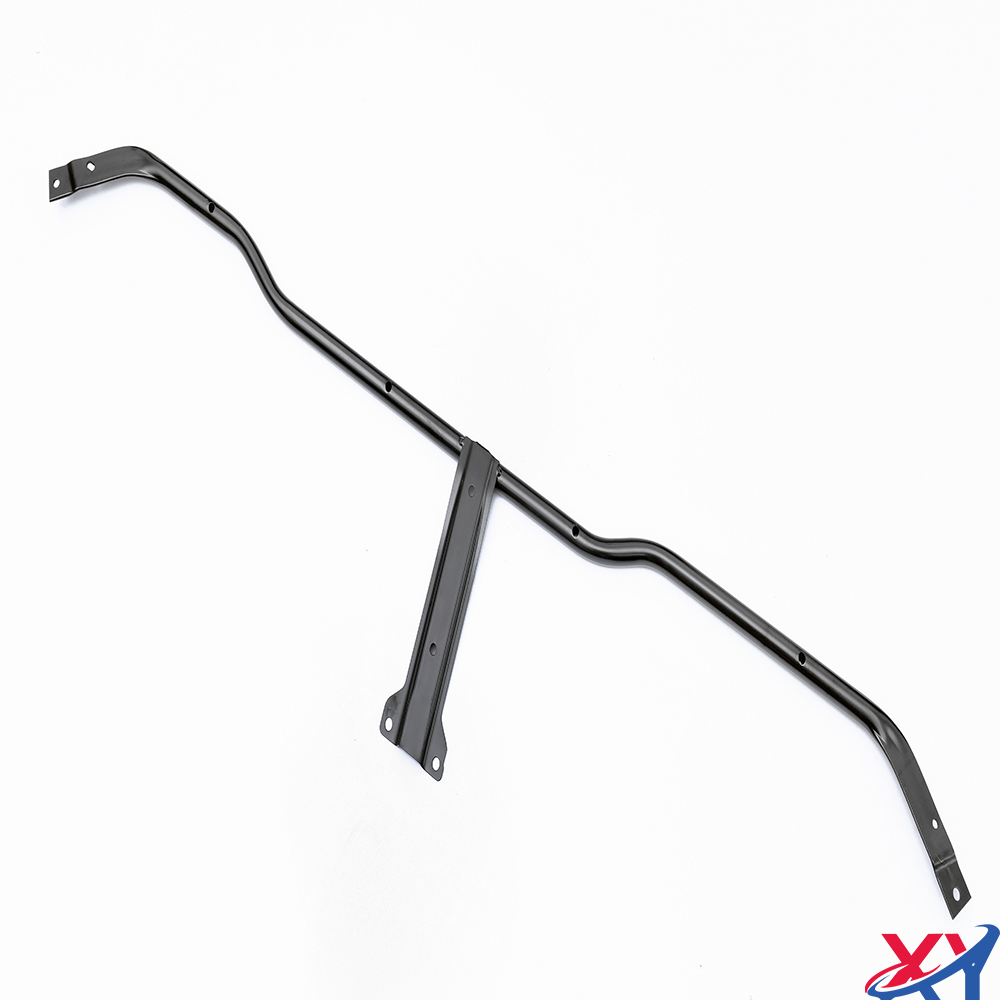
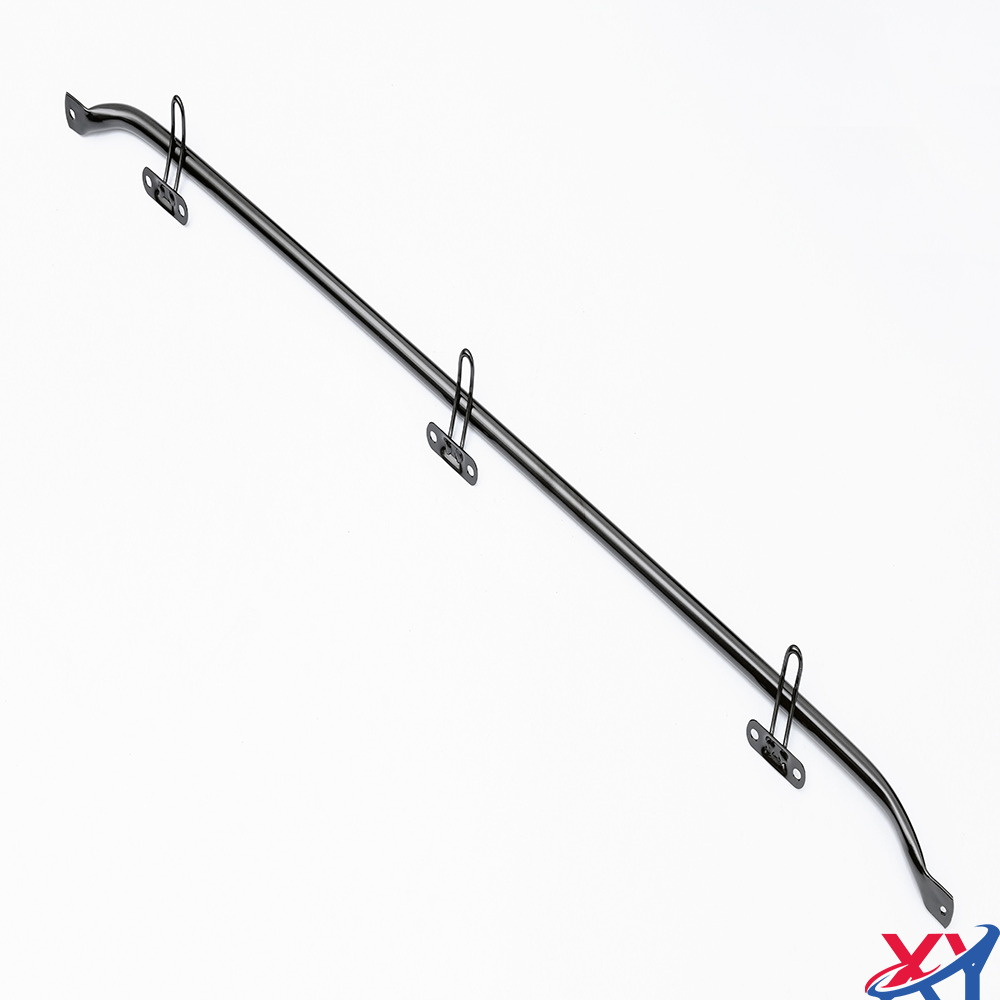
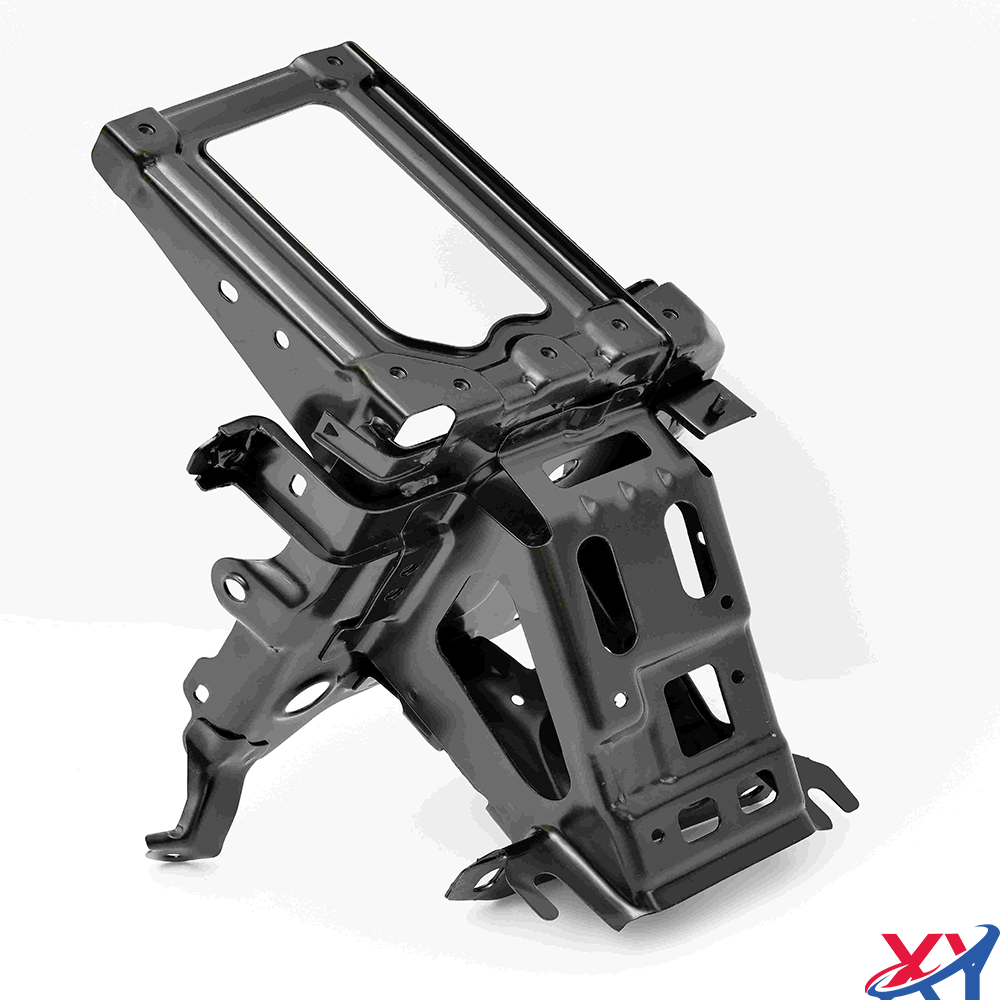
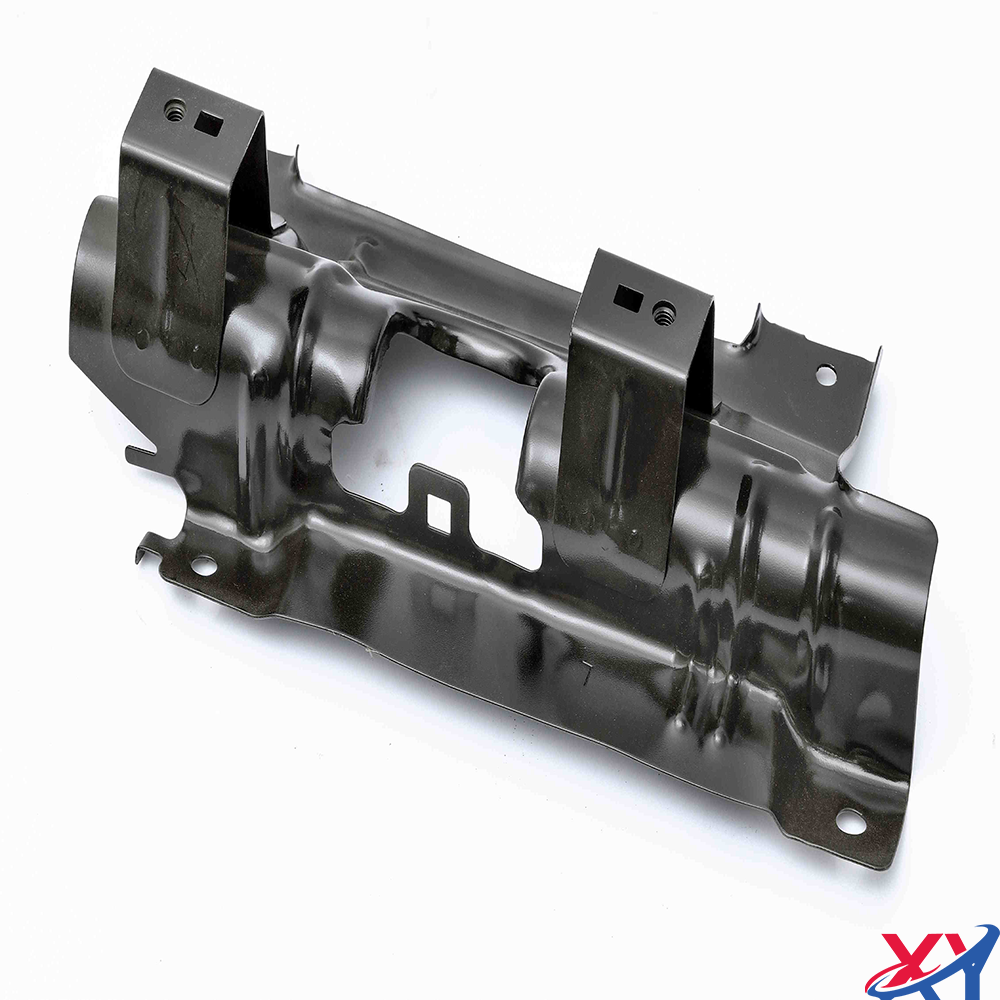
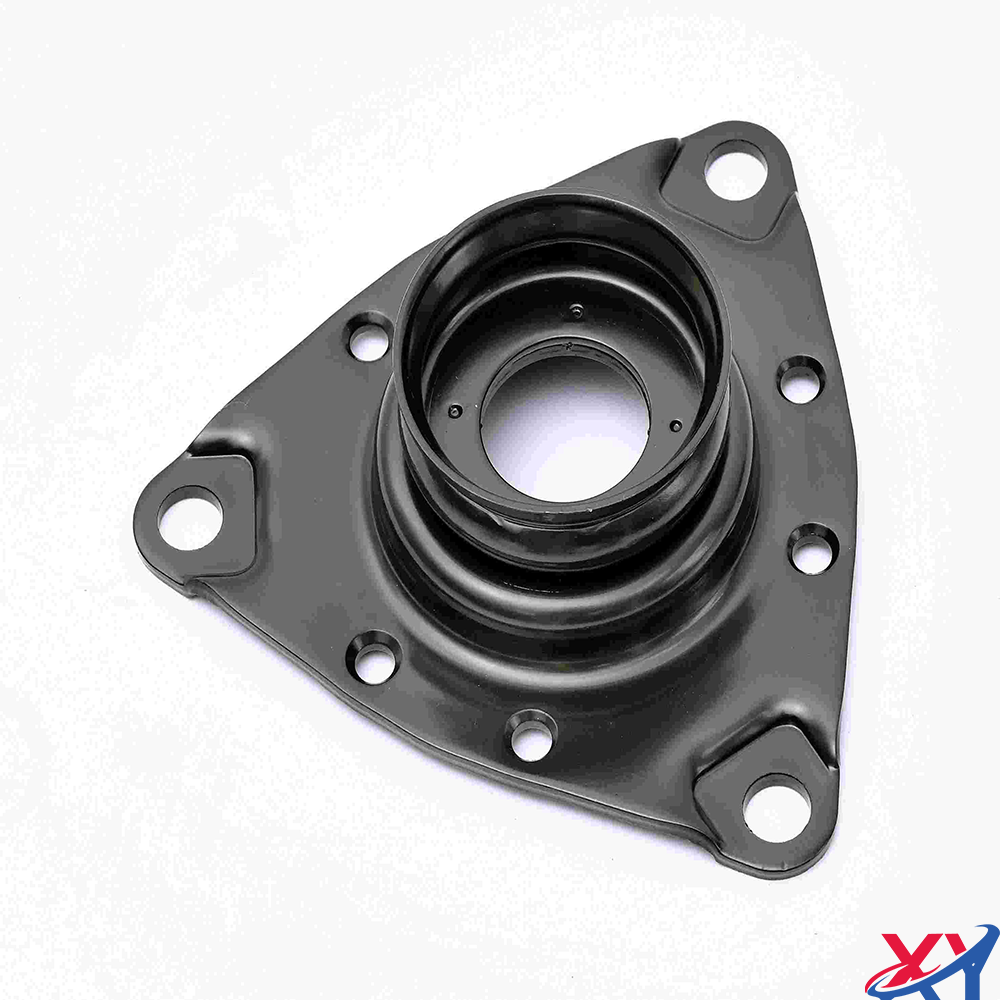
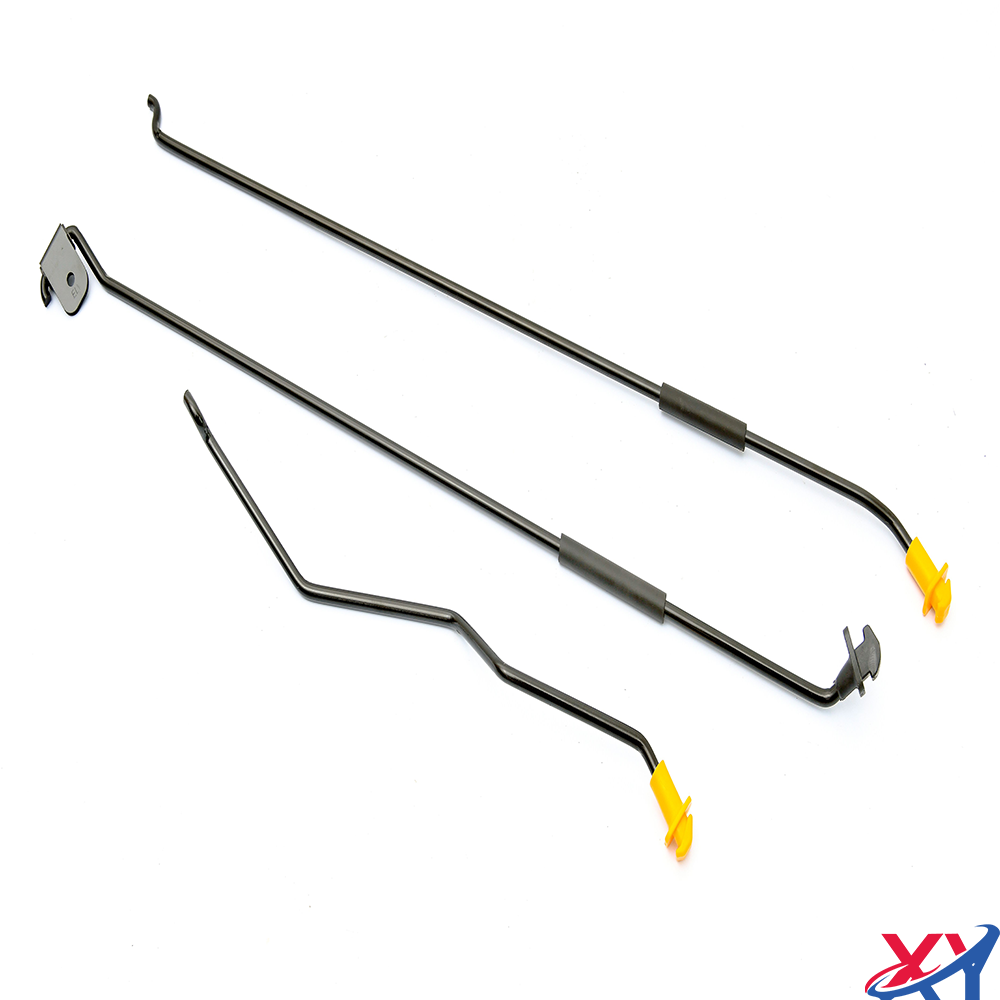
Key Applications of Custom Metal Components in the Automotive Industry
Custom metal components play a critical role in modern automotive manufacturing. From traditional internal combustion vehicles to electric vehicles (EVs), high-precision metal parts ensure structural strength, efficient power transmission, safety, and long-term durability.
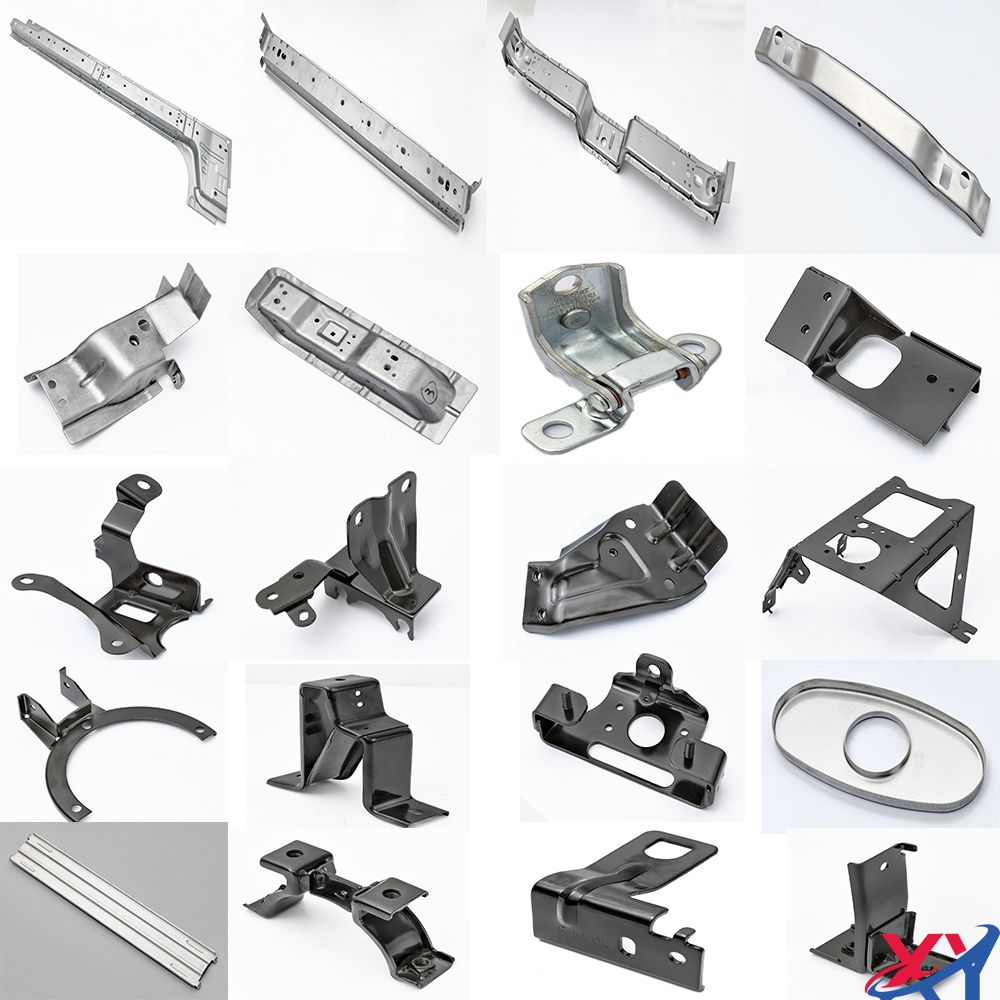
XY provides customized metal components for a wide range of automotive systems, including engine assemblies, powertrain components, safety structures, EV systems, chassis assemblies, and decorative hardware.
1. Engine & Powertrain Components
The automotive engine is the core power system of a vehicle, requiring components with extremely high precision, durability, and thermal resistance.
XY manufactures custom parts such as engine blocks, cylinder heads, pistons, connecting rods, and turbocharger components using advanced manufacturing processes.
Manufacturing Technologies
High-precision CNC machining
Casting
Laser cutting
Technical Requirements
High temperature resistance
Wear resistance
Oxidation resistance
These characteristics ensure reliable performance under high temperature and high-pressure operating conditions.
2. Transmission & Suspension Systems
Transmission and suspension components ensure smooth vehicle operation and efficient power delivery.
XY manufactures precision components including:
Gearbox housings
Drive shafts
Shock absorber components
Suspension arms
Ball joints
Steering knuckles
Manufacturing Technologies
CNC precision machining
Stamping & forming
Laser cutting
Technical Requirements
High load capacity
High strength
Precise mechanical alignment
3. Brake Systems & Safety Structures
Automotive safety systems demand components with exceptional reliability and structural integrity.
XY manufactures critical safety components including:
Brake calipers
Brake discs
Structural brackets
Crash beams
Energy-absorbing beams
Manufacturing Technologies
Welding
Casting
CNC precision machining
Technical Requirements
High strength
Heat resistance
Corrosion resistance
These features ensure stable braking performance and enhanced vehicle safety.
4. Electric Vehicle (EV) Components
Electric vehicles require components that combine lightweight design, structural strength, and effective thermal management.
XY manufactures EV components including:
Motor housings
Gear reducer housings
Rotor and stator structures
Heat dissipation plates
Charging interface components
Manufacturing Technologies
Precision CNC machining
Aluminum alloy casting
3D printing for complex geometries
Technical Requirements
Lightweight structural design
High strength
Efficient thermal management
5. Vehicle Body & Chassis Structures
Body and chassis components require high rigidity, structural stability, and impact resistance.
XY manufactures structural components such as:
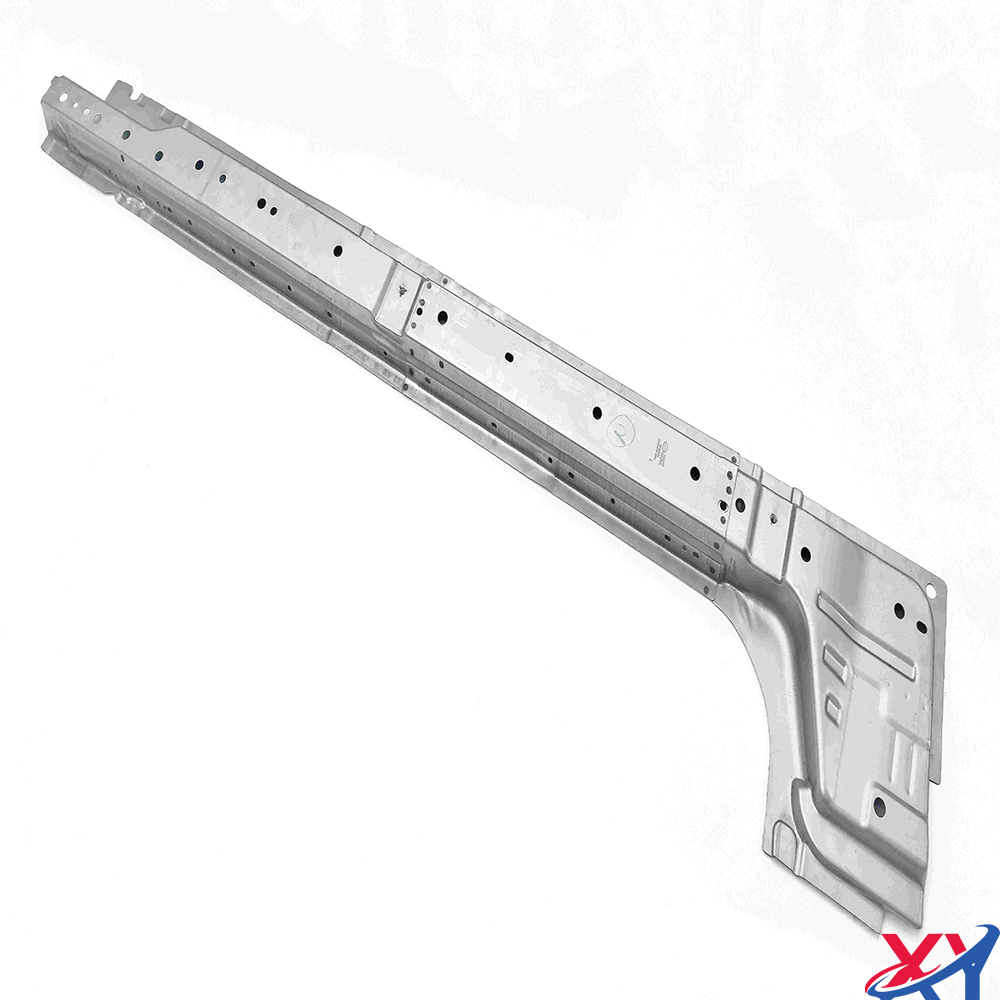
Vehicle frame structures
Chassis brackets
Door frame components
Interior and exterior body panels
Manufacturing Technologies
Sheet metal fabrication
Stamping & forming
Welding
Technical Requirements
High strength
Impact resistance
Structural reliability
6. High-Performance Automotive Components
For sports cars, racing vehicles, and luxury automotive platforms, XY manufactures specialized metal components including:
Body structures
Suspension assemblies
Shock absorber components
Exhaust system parts
Manufacturing Technologies
Precision CNC machining
Aluminum deep drawing
Laser cutting
Technical Requirements
Lightweight design
High precision
High structural strength
These characteristics improve vehicle performance, handling, and efficiency.
7. Decorative & Functional Components
Automotive components such as door handles, mirror brackets, decorative trims, and precision fasteners also require high-precision manufacturing, tight tolerance control, and high-quality surface finishing to enhance vehicle aesthetics and user experience.
Materials for Automotive Components
Selecting the appropriate material is essential to balance performance, durability, weight reduction, and cost efficiency.
Aluminum Alloys
Characteristics
Lightweight
Excellent thermal conductivity
Corrosion resistant
Applications
Engine blocks
Transmission housings
Chassis components
Vehicle body frames
Aluminum alloys are particularly important for electric vehicles and high-performance automotive applications.
High-Strength Steel
Characteristics
High strength
Excellent weldability
Applications
Safety-critical body structures
Chassis systems
Crash beams
These materials improve vehicle structural rigidity and safety performance.
High-Strength Steel
Characteristics
High strength
Excellent weldability
Applications
Safety-critical body structures
Chassis systems
Crash beams
These materials improve vehicle structural rigidity and safety performance.
Stainless Steel
Characteristics
Excellent corrosion resistance
High temperature resistance
Applications
Exhaust systems
Brake components
Fuel system components
Titanium Alloys
Characteristics
High strength-to-weight ratio
Low density
Excellent corrosion resistance
Applications
Racing vehicle components
High-performance structural connectors
Extreme-duty components
Composite & Hybrid Materials
To achieve further weight reduction, many manufacturers use metal-composite hybrid structures, combining metal strength with composite lightweight properties for advanced vehicle platforms.
Automotive Manufacturing Capabilities
Automotive component manufacturing involves multiple production technologies.
XY integrates advanced equipment and process expertise to support both large-scale production and customized manufacturing.
CNC Machining
Widely used for engine components, transmission parts, structural components, and chassis assemblies.
Advantages
Micron-level tolerance capability
Complex geometry manufacturing
High consistency and reliability
Laser Cutting & Sheet Metal Fabrication
Used for vehicle panels, brackets, and structural sheet metal components.
Advantages
High precision
Fast processing speed
Minimal material deformation
Stamping & Die Forming
Commonly used for door panels, chassis components, and structural frames in high-volume production.
Advantages
High efficiency
Excellent part consistency
Cost-effective manufacturing
Casting & Forging
Used for engine blocks, suspension components, and heavy structural parts.
Advantages
Excellent mechanical strength
Suitable for complex shapes
Efficient large-scale production
Hybrid Manufacturing (MIM & 3D Printing)
Used for rapid prototyping, small-batch customization, and complex geometries.
Advantages
Faster development cycles
Increased design flexibility
Welding & Riveting
Commonly used in vehicle body and chassis assembly.
Advanced technologies such as laser welding and TIG welding ensure strong connections capable of withstanding high loads and vibration.
Surface Finishing for Automotive Components
Surface finishing significantly improves corrosion resistance, wear resistance, weather resistance, and visual appearance of automotive components.
Anodizing
Applications
Aluminum decorative components
Housings
Heat dissipation panels
Benefits
Improved corrosion resistance
Increased surface hardness
Enhanced appearance
Electroplating & Coating
Applications
Brake calipers
Decorative trims
Vehicle badges
Exterior components
Benefits
Corrosion protection
Improved durability
Enhanced visual quality
Heat Treatment & Reinforced Coatings
Applications
Wear-resistant components such as drive shafts and gears
Benefits
Increased hardness
Improved fatigue resistance
Enhanced mechanical performance