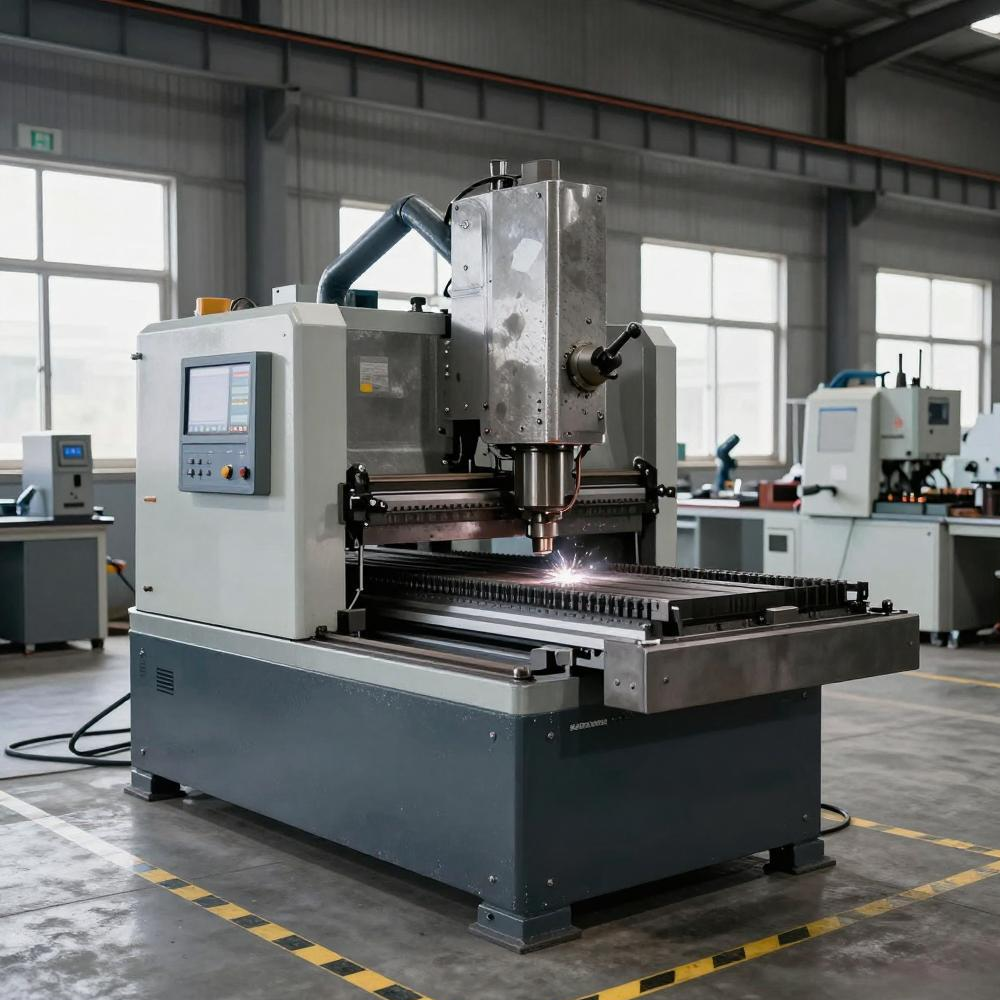
Hot Pressing
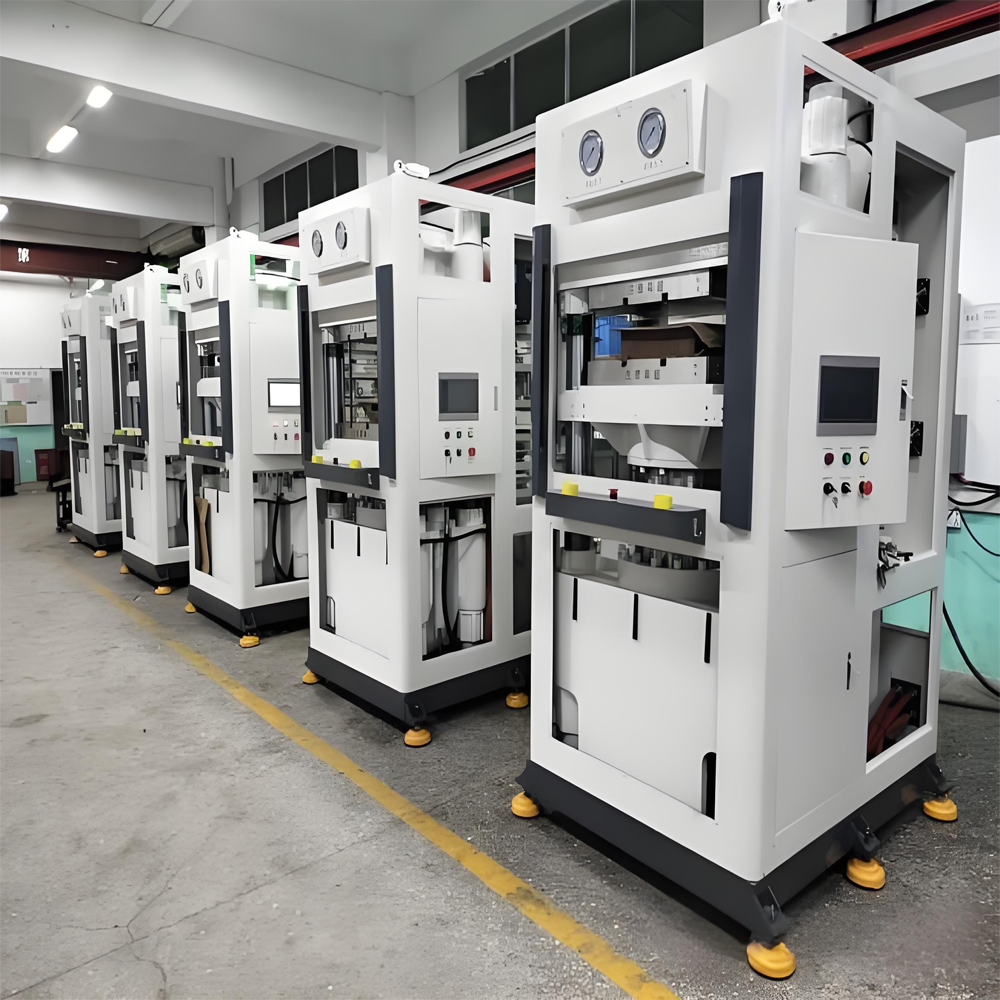
Hot Pressing Technology
🔥 XY – Advanced Hot Pressing Manufacturing Solutions
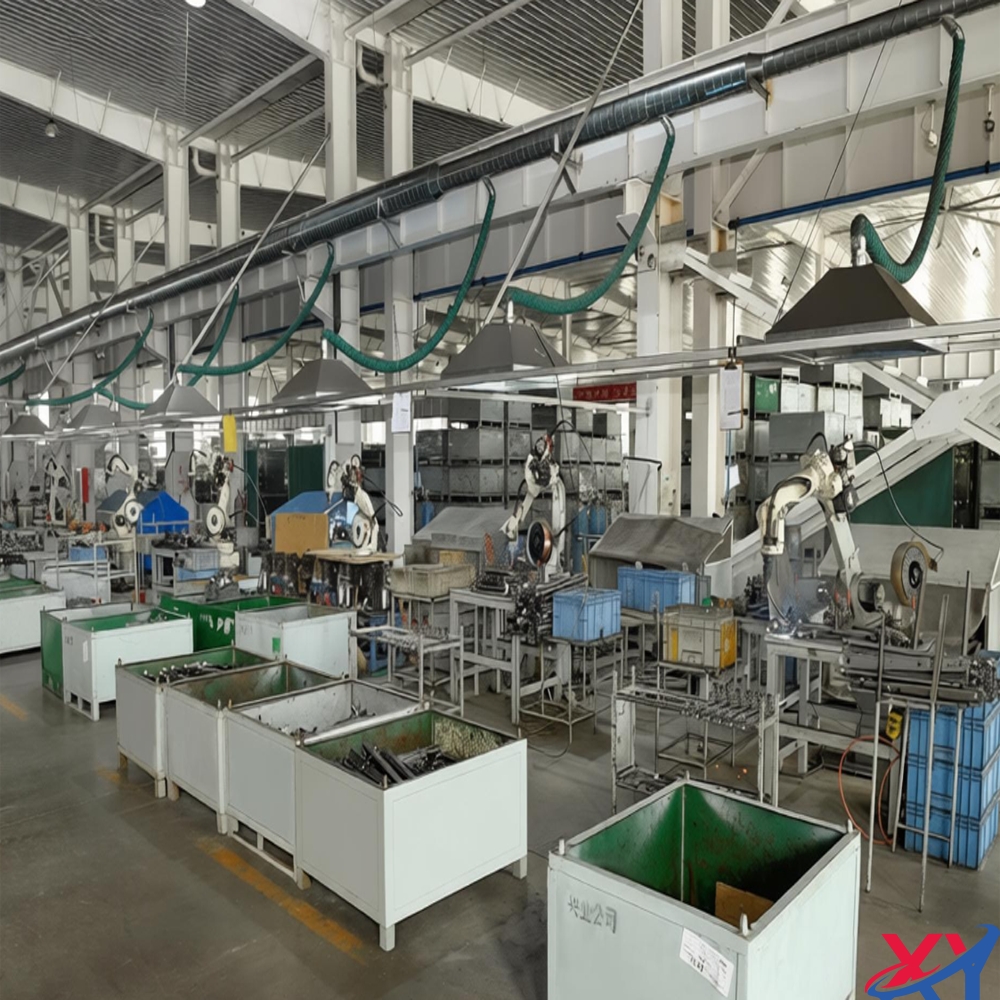
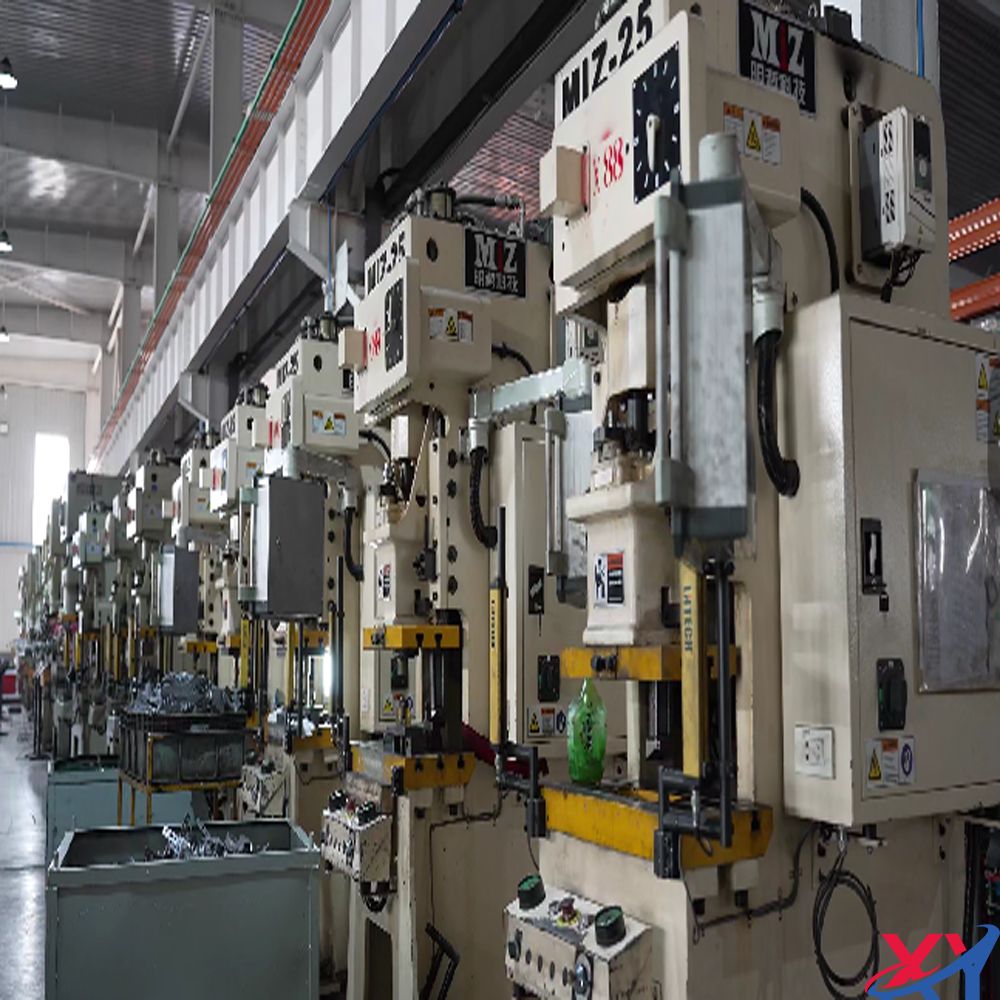
Hot pressing is a manufacturing process in which metal, ceramic, or composite powders are heated to a specific temperature and simultaneously compressed under high pressure to form components with the desired shape. This process significantly improves material density, strength, and fatigue resistance, making it ideal for producing high-performance and high-precision components.
Compared with traditional casting or forming processes, hot pressing offers higher material utilization and superior dimensional accuracy. In XY's custom metal parts manufacturing system, hot pressing is primarily applied in the production of powder metallurgy components and metal matrix composites, especially for applications requiring high temperature resistance and structural strength.
Common hot pressing methods include conventional hot pressing and Hot Isostatic Pressing (HIP). Among them, HIP applies uniform isostatic pressure, improving structural consistency and density throughout the component.
Advantages of XY Hot Pressing Manufacturing
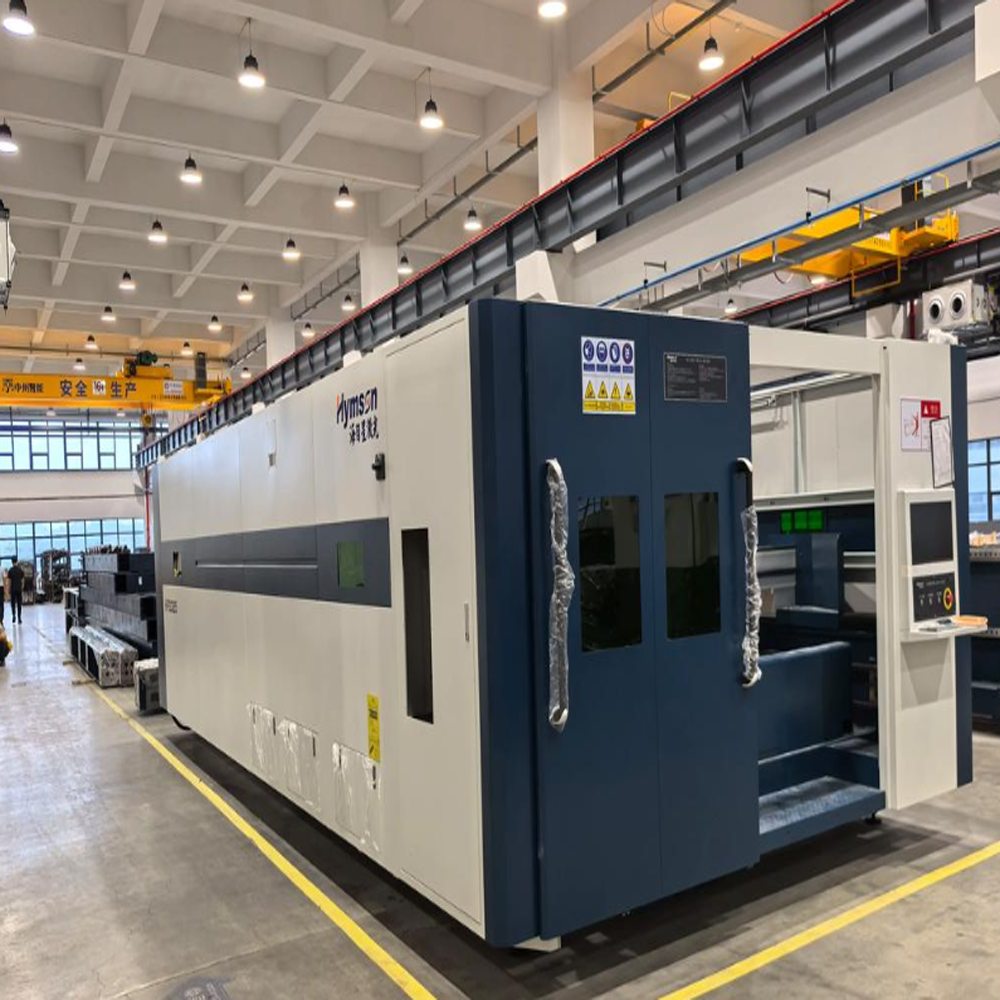
As a professional manufacturer of custom metal components, XY leverages years of experience in hot pressing technology to deliver high-density and high-strength parts that meet the demanding requirements of industries such as automotive, aerospace, and medical equipment.
Integrated Manufacturing Services
From material selection and hot pressing process design to post-processing and surface finishing, XY provides comprehensive one-stop manufacturing solutions.
Precision Process Control
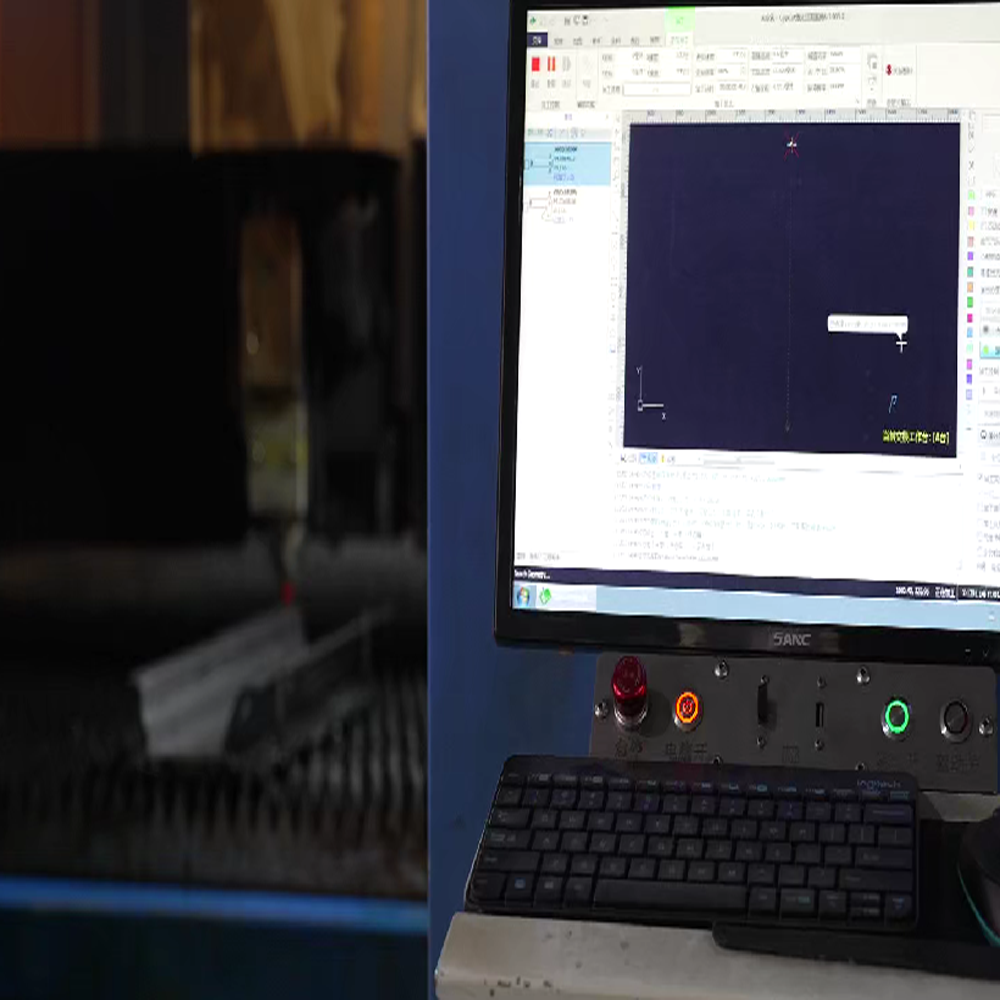
Through strict quality inspection and precision process management, we ensure consistent product performance and reliable quality for every component.
Reliable Delivery
We guarantee on-time delivery and can adjust production schedules flexibly to accommodate urgent project requirements, ensuring that customer projects proceed smoothly and on schedule.
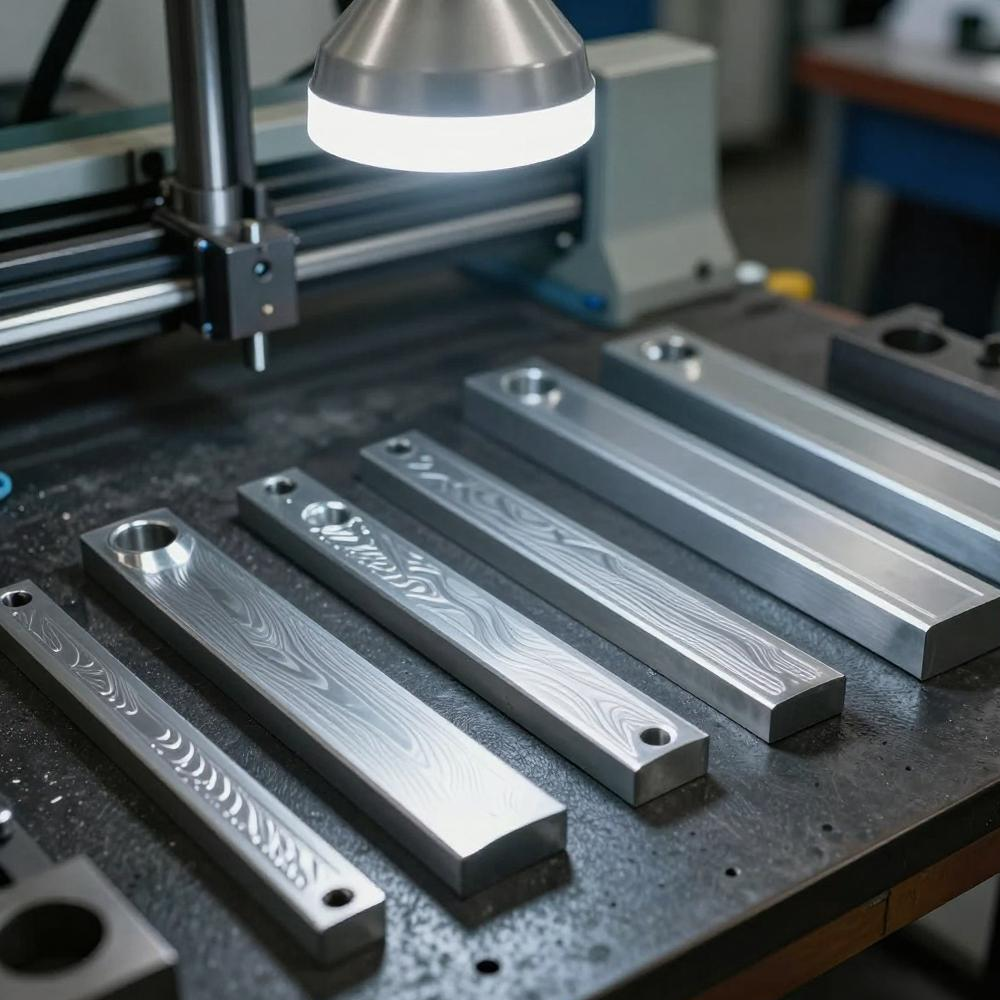
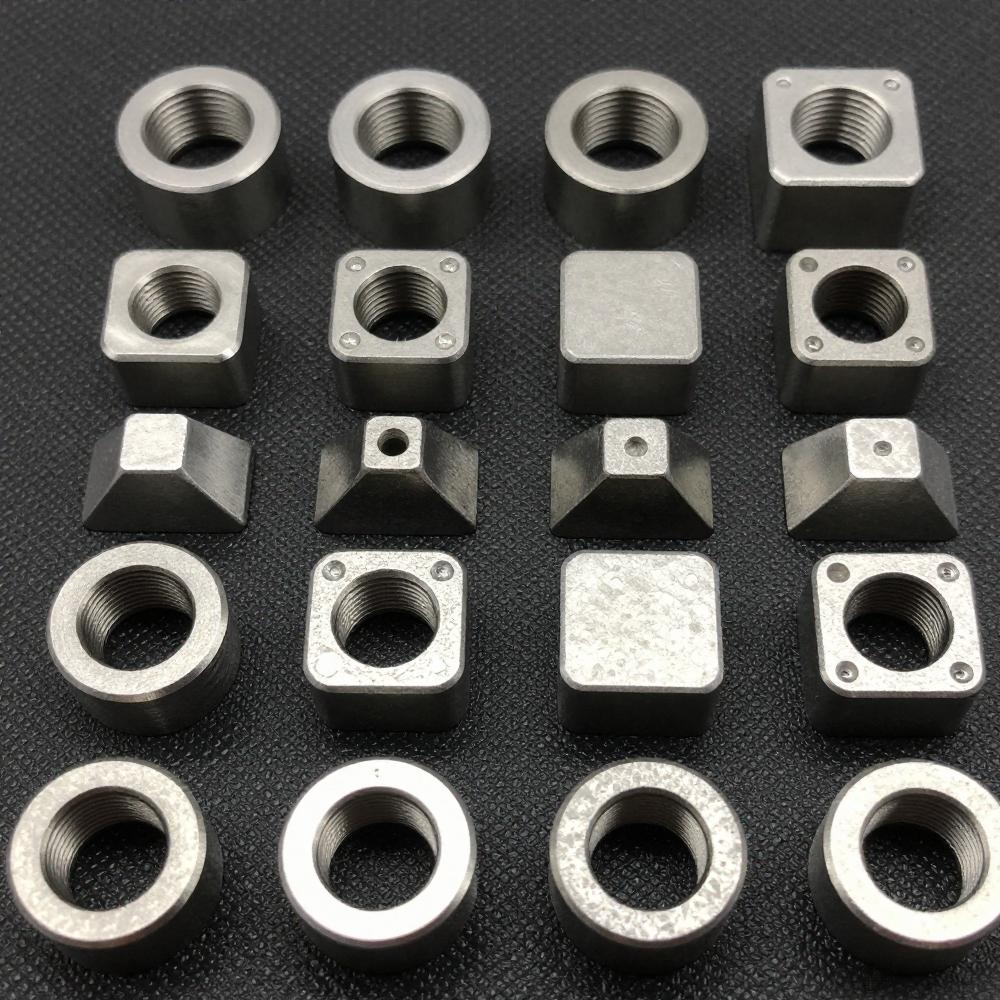
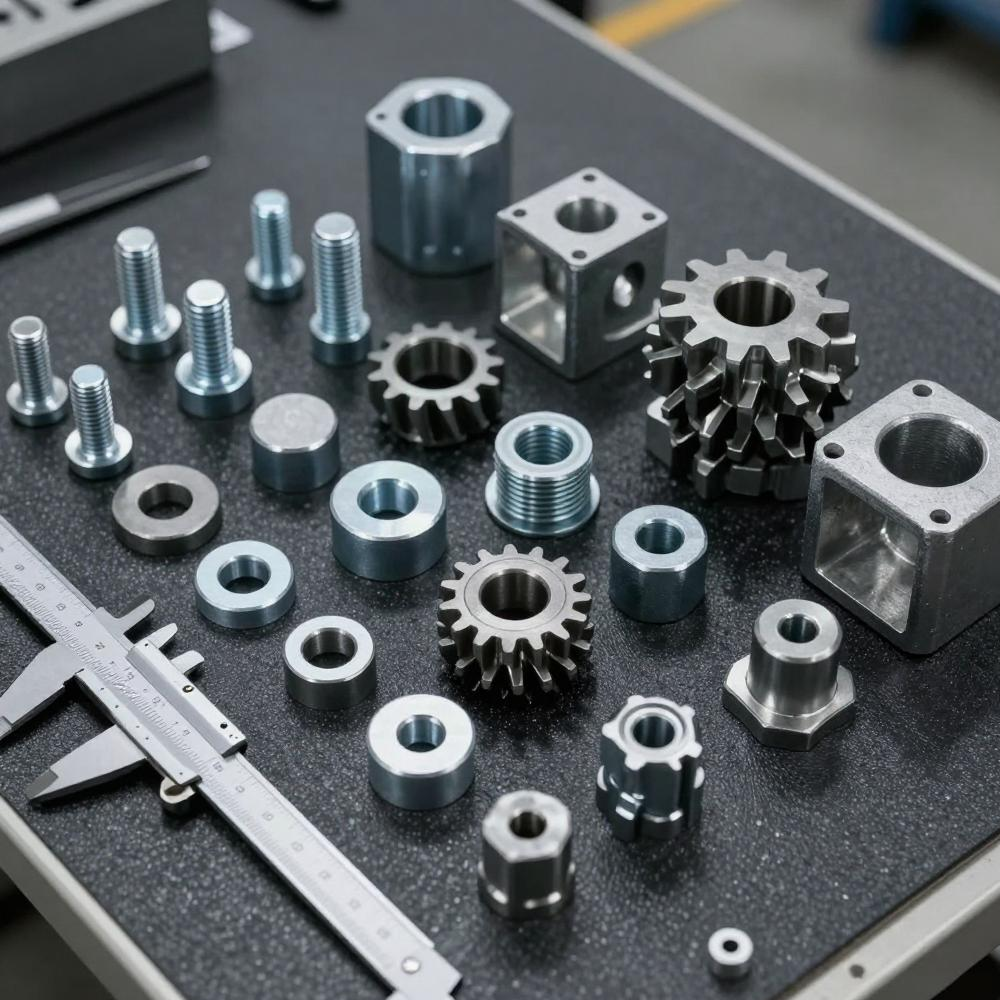
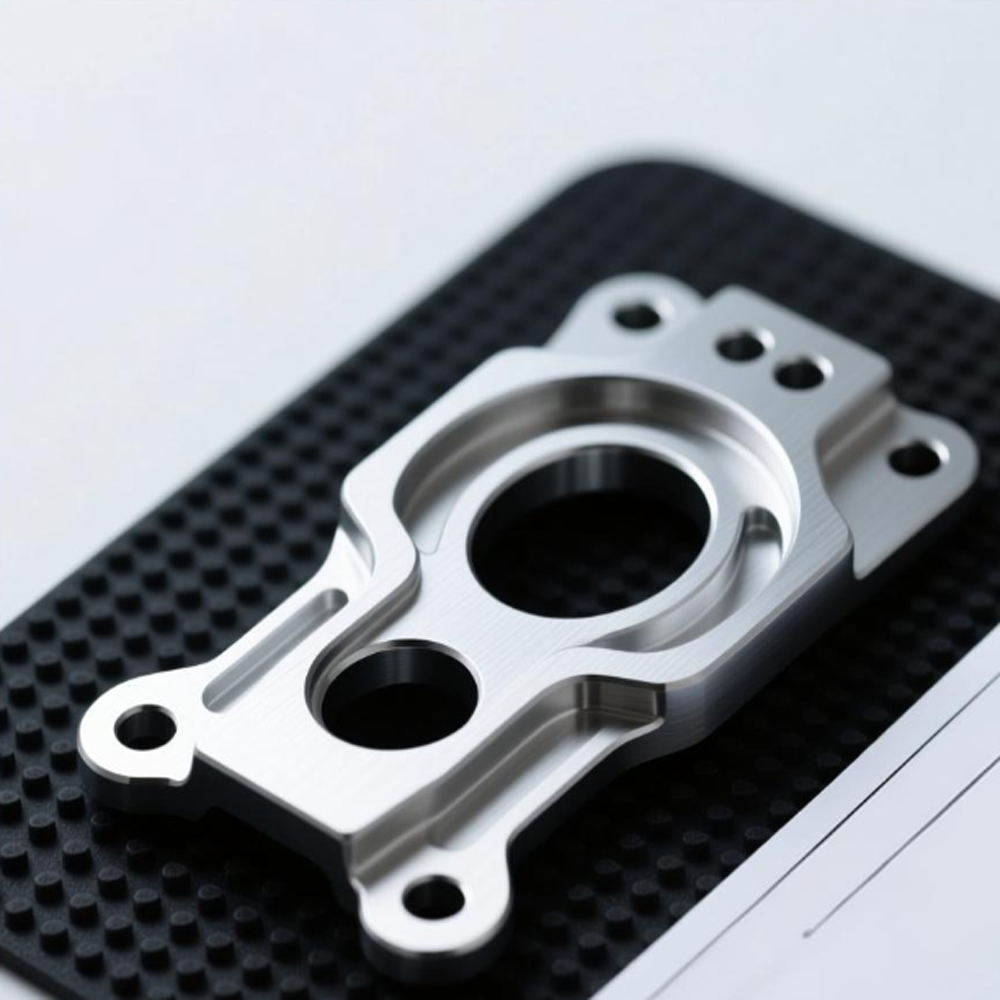
Applications of Hot Pressing and Typical Products
XY applies hot pressing technology across multiple high-performance industries, delivering customized solutions that ensure superior precision, performance, and long-term stability.
1. Aerospace Industry
Typical Products
Engine blades
Aircraft structural metal components
Microwave communication components
High-strength structural parts for aerospace systems
Advantages
Hot pressing enables the production of high-strength, heat-resistant components required in aerospace environments, ensuring long-term reliability under extreme operating conditions.
2. Automotive Manufacturing
Typical Products
Powder metallurgy gears
Clutch plates
Brake system components
Suspension system parts
Advantages
Hot pressing technology allows XY to manufacture automotive components with excellent wear resistance and fatigue strength, ensuring long-term performance and reliability.
3. Medical Devices
Typical Products
Titanium alloy implants
Joint replacement components
Medical sensor housings
Surgical instruments
Advantages
Hot pressing enables the production of titanium implants with excellent biocompatibility, high strength, and low porosity, meeting international medical industry standards.
4. Industrial Equipment
Typical Products
Bearings
Transmission system components
Heavy-duty machinery parts
Sealing components
Advantages
Hot pressed components maintain stable performance under high loads and wear-intensive environments, making them suitable for critical industrial equipment applications.
Materials Used in Hot Pressing
Hot pressing is particularly suitable for powder materials and composite systems that are difficult to densify through conventional processes, including the following categories:
Metal Powder Materials
Titanium powder and titanium alloys (e.g., Ti-6Al-4V)
Stainless steel powders and iron-based powders
Hard alloy powders such as WC (tungsten carbide) and TiC (titanium carbide)
High-temperature alloy powders / nickel-based alloys
Under simultaneous high temperature and pressure, these powders can achieve highly dense metal structures with minimal porosity.
Ceramics and Composite Materials
Aluminum oxide (Al₂O₃)
Silicon nitride (Si₃N₄)
Silicon carbide (SiC)
Zirconia (ZrO₂)
Metal-ceramic composite systems (such as metal matrix composites)
These materials are often difficult to densify using traditional sintering processes, while hot pressing significantly improves their mechanical strength, wear resistance, and thermal stability.
High-Temperature Alloys
Nickel-based alloys
Cobalt-based alloys
These materials are widely used for components operating in high-temperature and corrosive environments, such as power generation and aerospace systems.
Specialized Functional Materials
Glass matrix composites
High-performance structural powders
These materials are commonly used in specialized industries such as optics, electronics, and advanced engineering applications.
Advantages of Hot Pressing Technology
Compared with conventional manufacturing methods, hot pressing provides several key performance advantages.
✔ Higher Density and Strength
Hot pressing simultaneously applies heat and pressure, allowing component density to approach theoretical density (>99.5%). This significantly reduces porosity and improves mechanical strength and fracture toughness.
✔ Superior Microstructure Control
Hot pressing enables precise control of grain growth, producing fine-grained microstructures that enhance wear resistance and high-temperature performance.
✔ Suitable for Difficult-to-Sinter Materials
For materials such as ceramics and hard alloys that are difficult to form using traditional sintering processes, hot pressing provides an effective densification method.
✔ Reduced Manufacturing Steps
Hot pressing combines compaction and sintering into a single process, reducing the traditional powder metallurgy workflow of cold pressing followed by separate sintering, which shortens production cycles.
Surface Finishing for Hot Pressed Components
Hot pressed components typically undergo additional surface finishing processes to improve durability, appearance, and functionality.
Anodizing
Application: Mainly used for aluminum alloy parts.
Purpose: Creates a protective oxide layer that improves corrosion resistance, wear resistance, and surface appearance.
Electroplating
Application: Common in automotive and electronics industries.
Purpose: Deposits a uniform metal layer on component surfaces to enhance wear resistance and corrosion protection.
Shot Peening
Application: Aerospace and mechanical components.
Purpose: Strengthens the component surface and improves fatigue resistance by impacting the surface with high-velocity metal shot.
Powder Coating and Spray Coating
Application: Automotive components, appliance housings, and industrial equipment parts.
Purpose: Improves corrosion resistance, wear resistance, and visual appearance.