
Material Selection Guide for Sheet Metal Fabrication
Why Material Choice Drives Sheet Metal Fabrication Outcomes
Material selection ranks among the most consequential decisions in sheet metal fabrication, affecting not only finished part performance but also manufacturing cost, lead time, and quality consistency. The same geometry fabricated from different materials can vary dramatically in cost, weight, corrosion behavior, and producibility. Choosing appropriately requires balancing functional requirements against economic and manufacturing constraints rather than defaulting to familiar materials.
Engineers specifying sheet metal fabrication materials benefit from a structured comparison that matches properties to application demands. Over-specifying material properties inflates cost without functional benefit, while under-specifying risks premature failure or excessive maintenance. Understanding how each common fabrication material behaves enables selection that optimizes the total value equation for specific applications.
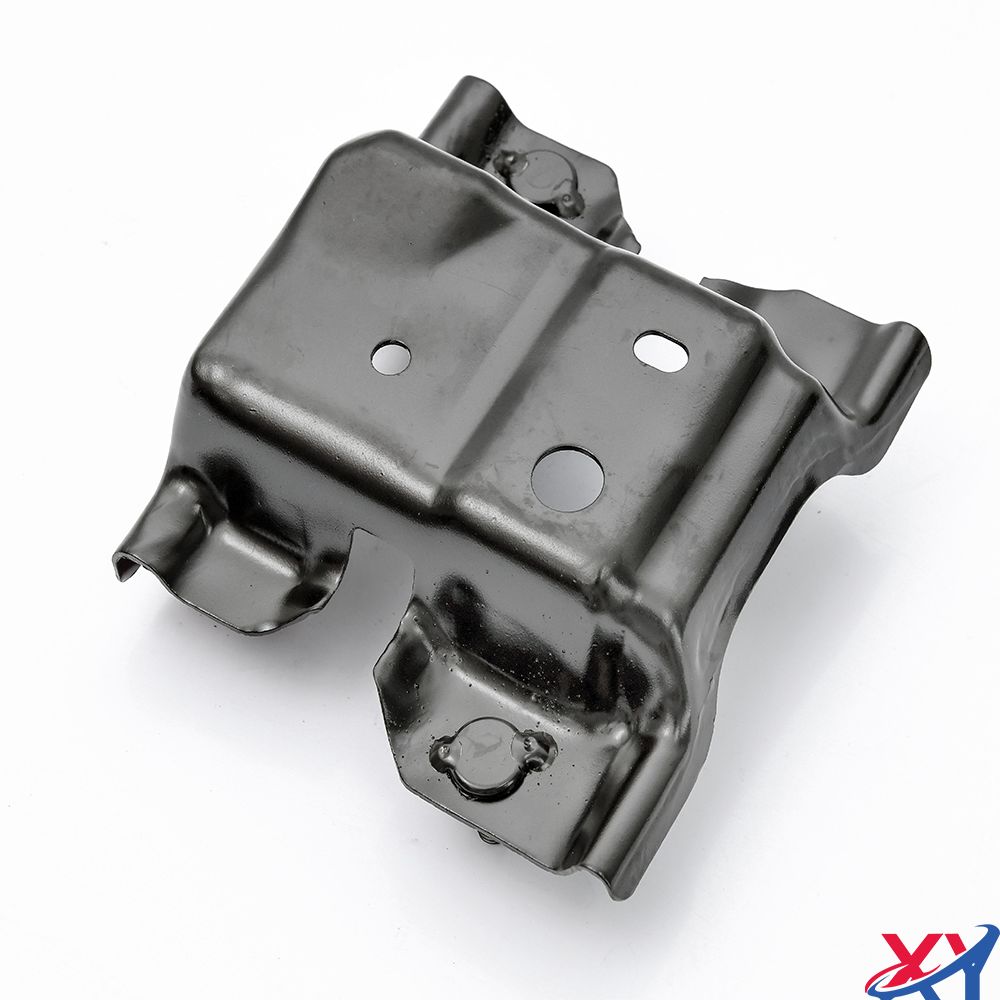
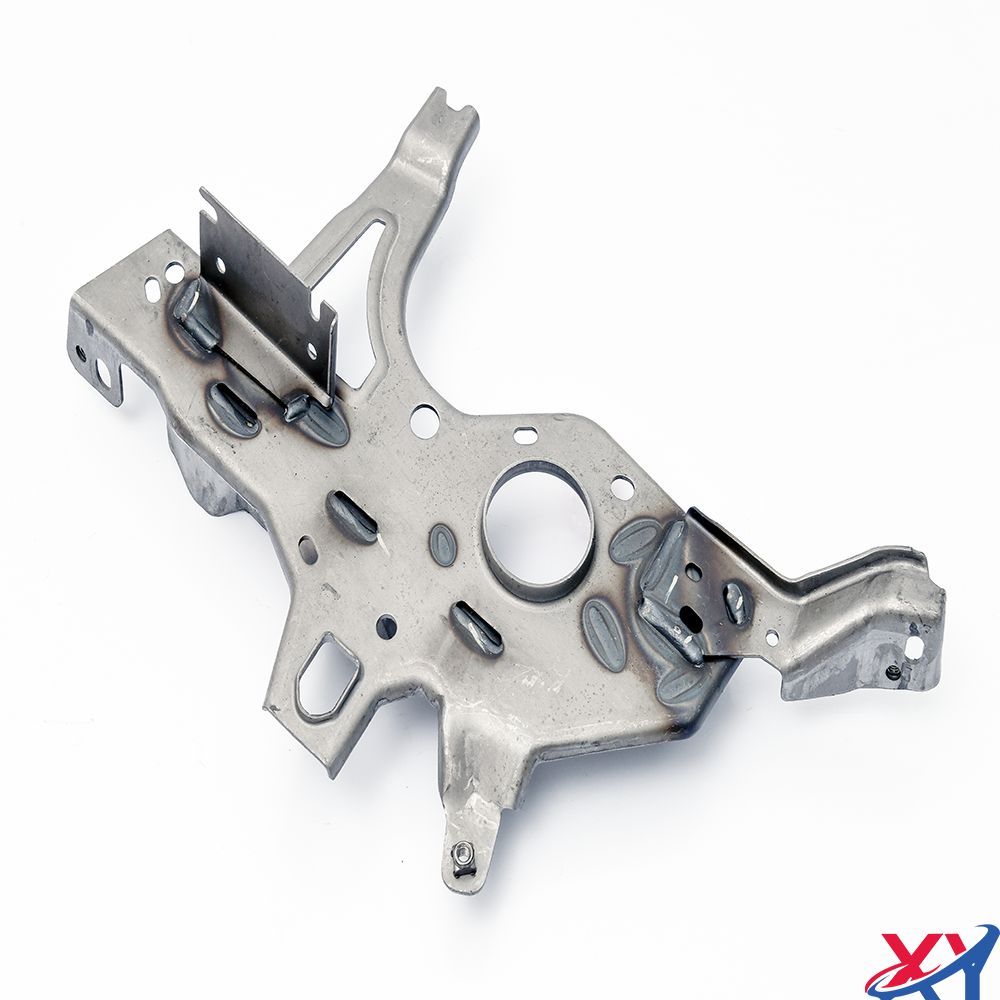
Carbon Steel: The Workhorse Material
Carbon steel dominates sheet metal fabrication for structural and non-corrosive applications because of its favorable strength-to-cost ratio and excellent formability. Low-carbon grades bend and draw readily without cracking, making them ideal for enclosures, brackets, and frames. The primary limitation is corrosion susceptibility, which requires protective coating or painting for exposed service.
Carbon steel considerations in sheet metal fabrication:
Low cost relative to stainless and aluminum alternatives
Excellent formability in low-carbon grades
Good weldability with standard processes
Requires coating or painting for corrosion protection
Ideal for indoor and protected structural applications
Stainless Steel: Corrosion Resistance Priority
Stainless steel serves sheet metal fabrication applications where corrosion resistance is essential, including food processing, chemical, and outdoor environments. Austenitic grades such as 304 and 316 offer excellent corrosion resistance and formability, though work hardening during forming requires attention to tooling and process parameters. Higher material cost is justified where corrosion would otherwise drive frequent replacement.
Stainless steel factors in sheet metal fabrication:
Superior corrosion resistance versus carbon steel
Grade selection balances corrosion need against cost
Work hardening affects forming and requires process control
Hygienic surface suitable for food and medical use
Higher raw material cost than carbon steel alternatives
Aluminum: Weight-Critical Applications
Aluminum provides sheet metal fabrication solutions where weight reduction matters, offering roughly one-third the density of steel with good corrosion resistance from natural oxide formation. Aluminum alloys vary widely in strength and formability, with series 3000 and 5000 offering good formability while 6000 series provides higher strength with heat treatment. Springback during bending requires compensation in tooling and programming.
Aluminum considerations in sheet metal fabrication:
Approximately one-third the weight of steel for same volume
Natural oxide layer provides corrosion resistance
Formability varies significantly by alloy series
Springback requires tooling and process compensation
Welding requires specialized techniques versus steel
Galvanized Steel: Protected Carbon Steel
Galvanized steel extends carbon steel service life through zinc coating that sacrifices itself to protect the underlying metal. In sheet metal fabrication, galvanized stock suits outdoor and humid environments where painted carbon steel would degrade. Fabrication requires managing coating damage at cut edges and weld areas, where exposed steel needs touch-up protection.
Galvanized steel factors in sheet metal fabrication:
Corrosion protection from zinc sacrificial coating
Lower cost than stainless for many outdoor uses
Edge and weld protection requires attention after cutting
Fumes during welding require ventilation controls
Suitable for outdoor enclosures and structural members
Thickness and Gauge Selection
Material thickness in sheet metal fabrication determines strength, weight, and formability simultaneously, and selecting appropriate gauge prevents both flimsy parts and unnecessarily heavy ones. Thinner gauges reduce material cost and weight but may lack rigidity or resist denting poorly. Thicker gauges add strength and stiffness at increased cost and forming difficulty. Structural requirements and aesthetic expectations both influence optimal thickness.
Thickness selection in sheet metal fabrication:
Minimum gauge for required rigidity and stiffness
Formability limits at thicker sections requiring more force
Weight targets influencing gauge selection
Cost trade-offs between material and processing
Standard gauge availability reducing lead time and cost
Corrosion Environment Matching
Selecting sheet metal fabrication material requires matching corrosion resistance to the service environment. Indoor dry environments tolerate carbon steel with paint, while marine or chemical exposure demands stainless or properly protected alternatives. Misjudging environmental severity leads to premature failure or unnecessary material premium. Environmental assessment should consider humidity, chemical exposure, temperature, and maintenance access.
Environment matching in sheet metal fabrication:
Indoor dry: carbon steel with protective coating
Outdoor exposed: galvanized or stainless depending on severity
Chemical or marine: stainless grades with appropriate alloying
Food or hygienic: stainless with appropriate finish
Combined load and corrosion: higher grade stainless or coatings
Formability and Manufacturing Constraints
Different materials in sheet metal fabrication behave differently under bending, drawing, and stretching, and these behaviors constrain design choices. Minimum bend radii, maximum draw depths, and springback vary by material and temper. Designing within material formability limits prevents cracking and dimensional problems while optimizing manufacturability and cost.
Formability considerations in sheet metal fabrication:
Minimum bend radius relative to thickness and material
Springback compensation for aluminum and stainless
Draw depth limits for deep-formed features
Hole and slot edge distance requirements
Temper selection balancing strength and formability
Cost and Lifecycle Considerations
Material cost in sheet metal fabrication extends beyond raw stock price to include processing difficulty, scrap rate, finishing requirements, and lifecycle maintenance. A more expensive material with lower maintenance may prove economical over product life, while cheap material requiring frequent replacement creates higher total cost. Evaluating total lifecycle cost rather than acquisition price reveals the true economic choice.
Lifecycle cost factors in sheet metal fabrication:
Raw material price per unit weight
Processing cost affected by formability and tooling
Finishing and coating requirements
Maintenance and replacement frequency
Scrap rate and material utilization efficiency
Welding and Joining Compatibility
Material selection in sheet metal fabrication must account for joining requirements, since weldability varies significantly across materials. Carbon steel welds readily with common processes, stainless requires controlled technique to preserve corrosion resistance, and aluminum demands specialized methods and preparation. Dissimilar metal joints introduce galvanic corrosion risks requiring isolation or compatible fastening.
Joining considerations in sheet metal fabrication:
Carbon steel: straightforward welding with standard processes
Stainless: controlled welding preserving corrosion resistance
Aluminum: specialized welding and surface preparation
Dissimilar metals: galvanic corrosion mitigation required
Fastening alternatives where welding is impractical
Frequently Asked Questions
How do I choose between aluminum and stainless steel fabrication?
Choose aluminum in sheet metal fabrication when weight reduction is critical and corrosion exposure is moderate, accepting higher material cost than steel. Choose stainless when corrosion resistance is paramount and weight is less critical. Compare lifecycle cost including maintenance rather than material price alone.
When is galvanized steel better than stainless?
Galvanized steel suits sheet metal fabrication outdoor applications where stainless cost is unjustified and corrosion exposure is moderate. The zinc coating provides adequate protection at lower cost, though edges and welds need protection. Severe marine or chemical exposure still favors stainless.
What thickness should I specify for sheet metal parts?
Specify sheet metal fabrication thickness based on required rigidity, load, and dent resistance, using the minimum gauge that meets these needs. Thinner gauges reduce cost and weight but may lack stiffness; thicker gauges add strength at higher cost and forming difficulty. Standard gauges reduce lead time.
Does material choice affect sheet metal fabrication lead time?
Material availability significantly affects sheet metal fabrication lead time. Common carbon steel gauges are readily available, while specialty stainless or aluminum alloys may require procurement. Specifying standard, stocked materials reduces lead time compared to special-order alloys.
How does material selection affect welding in fabrication?
Material selection in sheet metal fabrication determines welding approach and cost. Carbon steel welds easily, stainless requires technique preserving corrosion resistance, and aluminum needs specialized methods. Dissimilar metal joining introduces galvanic corrosion considerations requiring mitigation.
Conclusion
Material selection in sheet metal fabrication requires balancing functional requirements against cost, manufacturability, and lifecycle considerations. Carbon steel, stainless steel, aluminum, and galvanized steel each serve distinct application profiles defined by strength, corrosion resistance, weight, and cost trade-offs. Matching material properties to service environment and structural demands produces optimal value without over-engineering.
Designers and procurement professionals specifying sheet metal fabrication materials should evaluate total lifecycle cost rather than acquisition price, consider formability constraints during design, and consult fabrication suppliers during development. Early material discussion with experienced suppliers identifies options that satisfy requirements economically while maintaining manufacturability and quality. Contact qualified sheet metal fabrication specialists to discuss material selection for your specific applications.
References
Kalpakjian, S., & Schmid, S. R. (2014). Manufacturing Engineering and Technology (7th ed.). Pearson.
ASM International. (2018). ASM Handbook, Volume 14B: Metalworking: Sheet Forming. ASM International.
International Stainless Steel Forum. (2019). Stainless Steel in Figures. ISSF.
The Aluminum Association. (2015). Aluminum Standards and Data. Aluminum Association.
Hosford, W. F., & Caddell, R. M. (2011). Metal Forming: Mechanics and Metallurgy (4th ed.). Cambridge University Press.
